Here’s an activity that should be of wide interest:

Here’s an activity that should be of wide interest:
Mitchell Parker sent us this atmospheric photo of a Cherry Ballart Exocarpos cupressiformis on Mount Alexander on a misty morning.
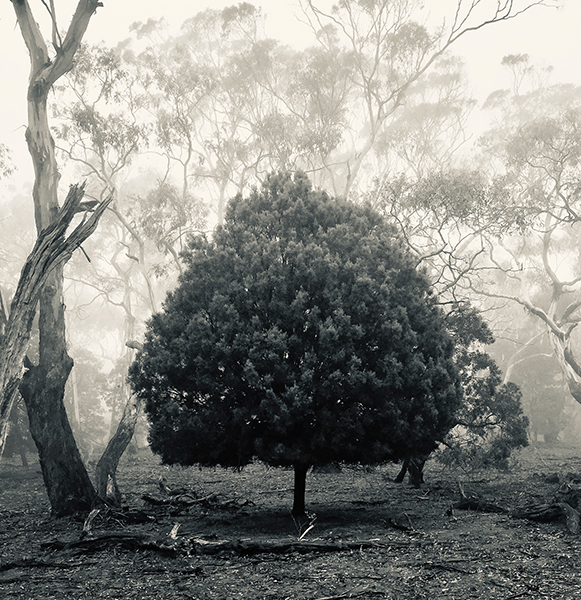
Cherry Ballart, Mount Alexander, 14 July 2019.
You can find out how to contribute photos to the TOGS show here.
And don’t forget that entries to the Eucalypt photo competition run by the Threatened Species Recovery Hub close on 22 July 2019.
A large crowd gathered at the Campbell’s Creek community centre last Friday to mark the funeral of one of this community’s most distinguished leaders: Dja Dja Wurrung elder Uncle Brien Nelson, who died on June 28.
There is a good account of Uncle Brien’s life and achievements in the Bendigo Advertiser. It can be found here
Uncle Brien played an important part in the advisory panel setting up the Castlemaine Diggings National Heritage Park. He was a Park Ranger for many years, and had a profound understanding of the links between cultural and natural heritage.
At a ceremony to mark his appointment as honorary associate of Latrobe University in 2009, historian Gerry Gill described him as a ‘pre-eminent Aboriginal leader, who has made an extraordinary lifelong contribution to the recognition of indigenous culture and reconciliation.’ Uncle Brien’s response then was a characteristic mixture of eloquence and self effacement, including his summing up: ‘I never thought I’d be honoured by anything or anyone. I was happy just to be there.’ In 2017 he was too ill to attend a ceremony to mark his inclusion on the Victorian Aboriginal Honour Roll, but his daughter played a video in which he said, in the same spirit: ‘Thank you for taking the time to listen to a person’s dreams.’
Vale Uncle Brien.
As mentioned in a previous post this year’s TOGS show will run from 19 September till 24 October and the theme is a general one about our local Box-Ironbark Forests. The closing date for the submission of photos is 19th August.
Frances Cincotta has sent us this beautiful one of the bark of Red Gum saplings in the rain near the Loddon River in Newstead.
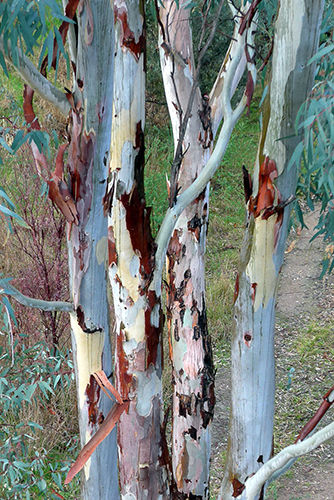
Red Gum Saplings, Newstead. Photo by Frances Cincotta, 20 May 2019
So send us one or more of your old favourite photos or get into the bush and take some new ones to help us make this an impressive 10th FOBIF exhibition.
Here’s a brief follow up to our very modest victory over moronic TV advertising last week.
The Ad Standards community panel found that that the Suzuki ad depicted unsafe driving in a positive light: ‘the Panel considered that the depiction of the vehicle going over the large bump at a speed which caused its’ wheels to leave the road was a depiction which would constitute unsafe driving if it were to take place or a road or road related area.’
The company protested its innocence, but undertook to change its ad, as follows: ‘While it was never our intention to portray any unsafe driving at any point during production of this TVC, we acknowledge the Panel’s findings and propose to edit both the 30 and 15 second TVCs to remove the scenes highlighted as depicting unsafe driving.’
Viewers of the telecast of the North Melbourne St Kilda AFL game yesterday afternoon will have seen the Suzuki ad. It had not been edited, and depicted the same qualities criticised by the panel.
We’ve written to Ad standards asking them what the value of self regulation is, if it brings zero results.



White Everlasting Daisy (Chrysocephalum baxteri)

Slime Mould
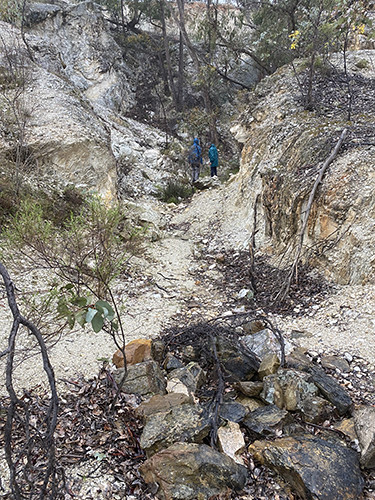
Dunns Reef

Tall Greenhoods

Gnat Orchid

Blue Caladenia
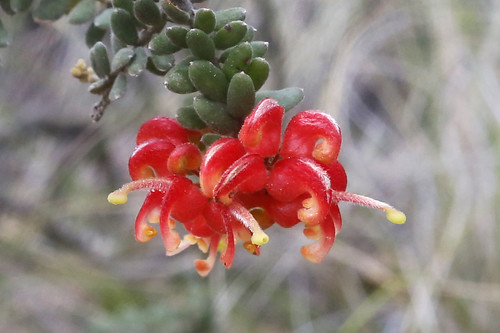
Downy Grevillea (Grevillea alpina)

Coliban river upstream of the Gibbons bridge

Coliban river upstream of the Gibbons bridge.

Coliban river upstream of the Gibbons bridge.

Sailors Gully ruin

Loddon River near Vaughan

Cortinarius archeri

Mycena subgalericulata

Cortinarius rotundisporus

Cortinarius cystidiocatenatus,

Ramaria sp.

Pink Heath

Mount Alexander

Mount Alexander
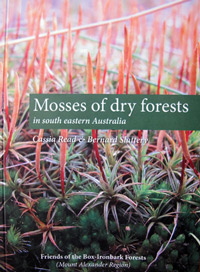 Click on image for info/order page
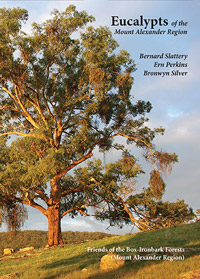 Click on image for info/order page
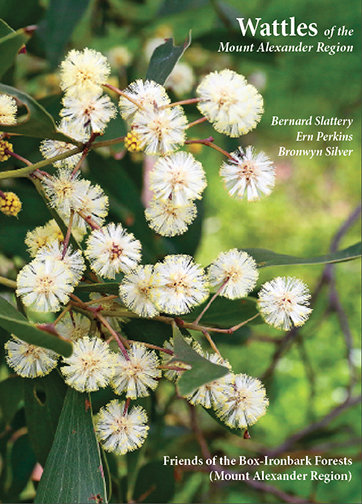 Click on image for info/order page