Fryers Ridge walk

Noel Young sent us this report on the September FOBIF walk:

True to its name the Wattle track was rich with flowering wattles. In pleasantly mild conditions, walkers covered nine and a half kilometers through a variety of bush with many plants awakening to flower a little late after a cool dry winter. The flowers I managed to list were Downy Grevillea, Early Nancy, Hovea, Billy Buttons, Purple Coral-pea, Guinea flower, Handsome Flat-pea, Grey Parrot-pea, Common Heath, Common Beard-heath, Pink Bells, Gorse Bitter-pea, and the only orchid found – a patch of Nodding Greenhoods.

Birds were abundant along the way, their presence mainly indicated by calls. I listed those I could recognise as: Spotted Pardalote, White-throated Treecreeper, Crimson Rosella, Sulphur-crested Cockatoo, Grey Shrike-thrush, Fuscous Honeyeater, Superb Blue Wren, Long-billed Corella, and Grey Fantail. Others added Galah, Oriole, and Yellow-faced Honeyeater.

Liz Martin sent us this photo collage.

web.FOBIF

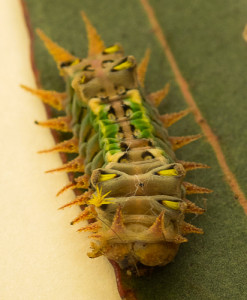
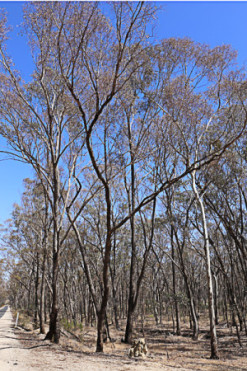
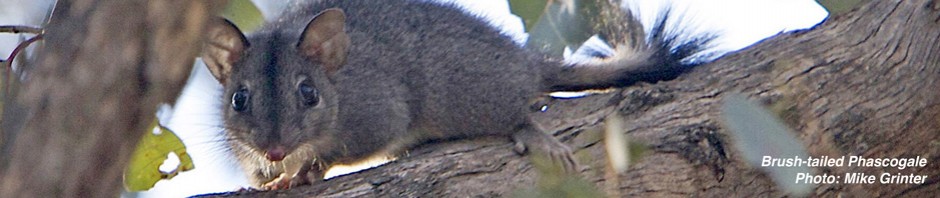
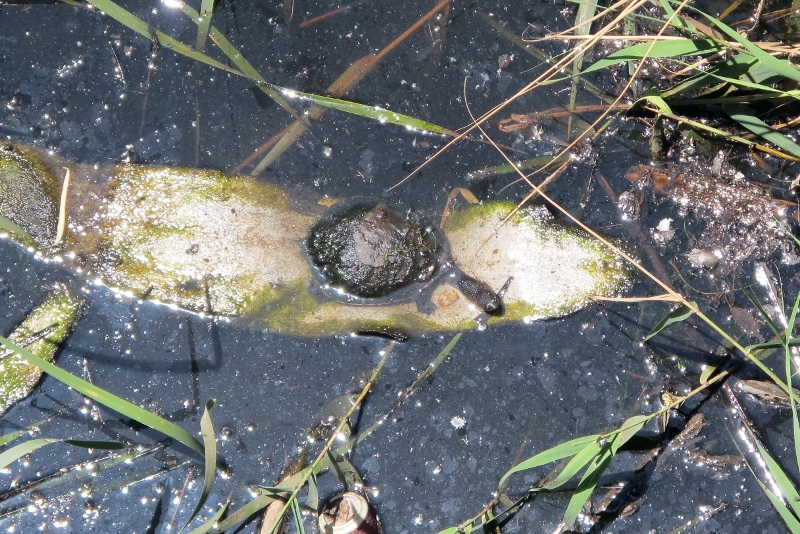
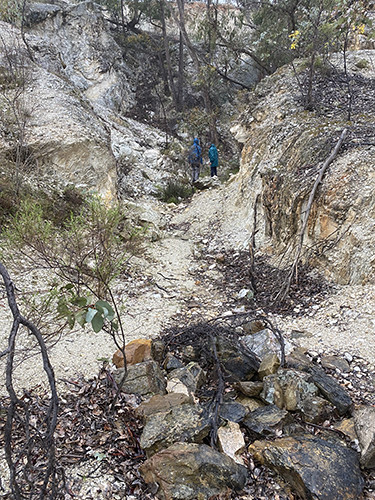
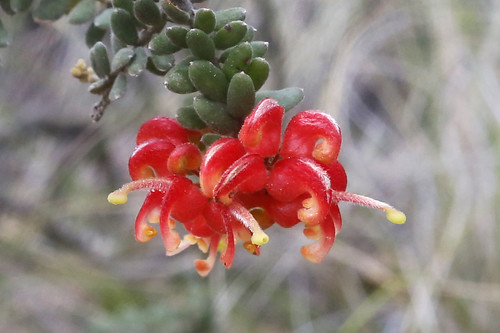
And here are some photos from Dominique Lavie (first photo) and Noel (last 3 photos). Click to enlarge.

Posted in News | Comments Off on Fryers Ridge walk

September youth walk

Nioka Mellick-Cooper has supplied us with the following account of FOBIF’s September youth walk:

‘What did you do on Fathers Day? Did you stay at home, did you go out for lunch? On Fathers Day, I ran a bush walk for youths and their fathers. It was a perfect day, and we got a total of 18 walkers. With sons, daughters, fathers and even mothers participating.

'A good way to end the year': some of the group at the end of the September youth walk.

‘A great way to finish the year’: some of the group at the end of the September youth walk.

‘The walk took place at the Garfield Waterwheel, but we met and signed in at the Continuing Ed building. On the walk, we were lucky enough to have Marie Jones with us, to guide us along and give us extra information regarding the surrounding area. The walk took us roughly two hours with only one short snack and water break. We saw many things, including mine shafts, all sorts of birds, and of course, the esteemed wheel. As we returned to the starting spot, we could smell the cooked lunch waiting for us that was very filling and was the perfect thing to finish of a day of walking. We took the walkers back to the Continuing Ed where everyone received a gift bag to take home with them. The gift bag included a flora guide, bird guide, torch, chocolate bar (great for bushwalking!), and camping spoon/fork. Overall, the walk was a success and it was a great way to finish the year.’

Posted in News | Comments Off on September youth walk

Blackwood: a link to a great Australian tradition

Blackwoods are flowering around the place at the moment, though more prolifically in the country to our south. Is there a better example of an Aussie battler than this attractive tree? ‘It tolerates drought, poor drainage, any soil, salt air, gusty, steady or cold winds if grown in open, fog, smog, temperature extremes, sun, or shade. Occurs in agricultural areas, coastland, disturbed areas, estuaries, natural forest, planted forests, range/grasslands, riparian zones, scrub/shrublands, urban areas, wetlands.’ [Wikipedia]

Acacia melanoxylon, named by Robert Brown, naturalist on Flinders' voyage in    :the great tradition of scientific engagement with Australian nature has been neglected in favour of 'heroic' accounts of conquest

Acacia melanoxylon, named by Robert Brown, naturalist on Flinders’ 1801-3 voyage around Australia: the great tradition of scientific engagement with Australian nature has been neglected in favour of ‘heroic’ accounts of conquest.

Acacia melanoxylon was given its scientific name by Robert Brown, botanist on Matthew Flinders’ voyage in the Investigator around the continent in 1801. When Flinders returned to England Brown and botanical artist Ferdinand Bauer stayed in New South Wales: they returned to Europe in 1805 with specimens of more than 3,000 species and 1,500 plant drawings. Brown never lost his fascination with Australian flora. We’re accustomed to the idea that early European visitors here were completely insensitive to the value of the Australian natural world. The story of Brown and others like him is a nice reminder that there’s another great Australian tradition: of scientific excitement at a world of enormous wonder, valuable not just for exploitation, but for its intrinsic beauty.

Posted in Nature Observations | Comments Off on Blackwood: a link to a great Australian tradition

Trail bikes [1]: so, what’s the problem?

The second successful FOBIF youth walk for 2015 took a circuit from Garfield Wheel to Forest Creek on Sunday September 6. [see our post above].

You can find a good account of the walk by John Ellis on the Chewton.net Facebook page. One interesting feature of this report is that it draws attention to the fact that the quiet bush atmosphere  was a bit degraded by the presence of a couple of trail bike riders circulating close to the wheel and kicking up dust in the nearby cyanide pits. The report provoked angry–well, abusive, actually– responses from Facebook readers keen to defend the riders’ rights to do their thing in the area.

Trail bike riding on registered bikes on formed roads is a perfectly legal activity. So, what’s the problem?

There are two, actually.

The first is noise. This concerns not only bushwalkers, but residents on town margins who find their quiet weekends poisoned by riders circulating, quite legally, on nearby private land. One rider can intrude on the lives of dozens of people.

The second is illegal riding off track on public land. This can cause serious erosion and destruction of important vegetation.

The responses to John Ellis’s Facebook post seem to show that there are some riders who don’t see either of these as anything to worry about–and that, it seems, is the real problem

Land managers and municipalities have wrestled with this stuff for some time. Solutions have been put up, but things appear, on anecdotal evidence, to be getting worse. We look at the solutions below, and ask why they haven’t worked.

Posted in News | Comments Off on Trail bikes [1]: so, what’s the problem?

Nature Photographs in Newstead

The organisers of the upcoming  Alan ‘Curly’ Hartup exhibition have supplied us with the following text:

A wonderful exhibition of nature photographs by leading amateur photographer and longtime resident of Newstead, Alan Jesse Hartup (1915 –2004) will be opened at the Newstead Railways Arts Hub on Saturday October 10th at 3pm.

This exhibition is largely of bird life in Newstead and the surrounding districts, from Alan’s vast array of black and white photographs and colour slides. This selection of 20 works of black and white and prints from colour slides, span over 60 years of Alan’s impressive output. Beginning with his beloved 35m Voigtlander camera, he progressed to the brilliant level of work he achieved with his Mamiya and Rollieflex 2¼ square cameras and his great ability with dark room techniques.

Alan has been represented widely in amateur circles and has been a central figure in promoting, selecting and judging photography in Victoria and interstate. In preparing for this exhibition we have been reminded what a wonderful legacy Alan has left with images of the beauty and richness of our surroundings. He was a man at one with the natural world and one who took a vital interest in our environment and how to care for it. The exhibition was prompted by local field naturalists Geoff Park and Mrs. Joan Butler.

We, members of Alan and Rita’s family, appreciate the opportunity to show his work.

More details can be found in this flyer.

Posted in News | Comments Off on Nature Photographs in Newstead