Act first, think later

A conference on bushfire management reform held at Creswick on October 10 served to highlight some of the complexities in fire management, and to underline the difference between Government policy and the views of conservationists.

The difference centres around whether a risk management strategy is compatible with having a fixed target for burning public land.

The conservationist [and scientific] view is: first you do an assessment of the bushfire risk, then you respond to that risk in appropriate ways: that is, by educating people about the dangers, controlling development in dangerous areas, building rapid attack firefighting capacity, developing a refuge strategy, and carefully calculating fuel reduction programs.

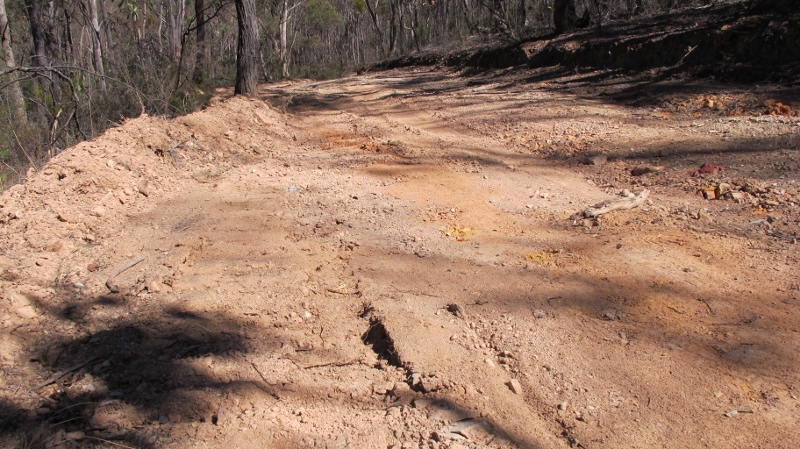
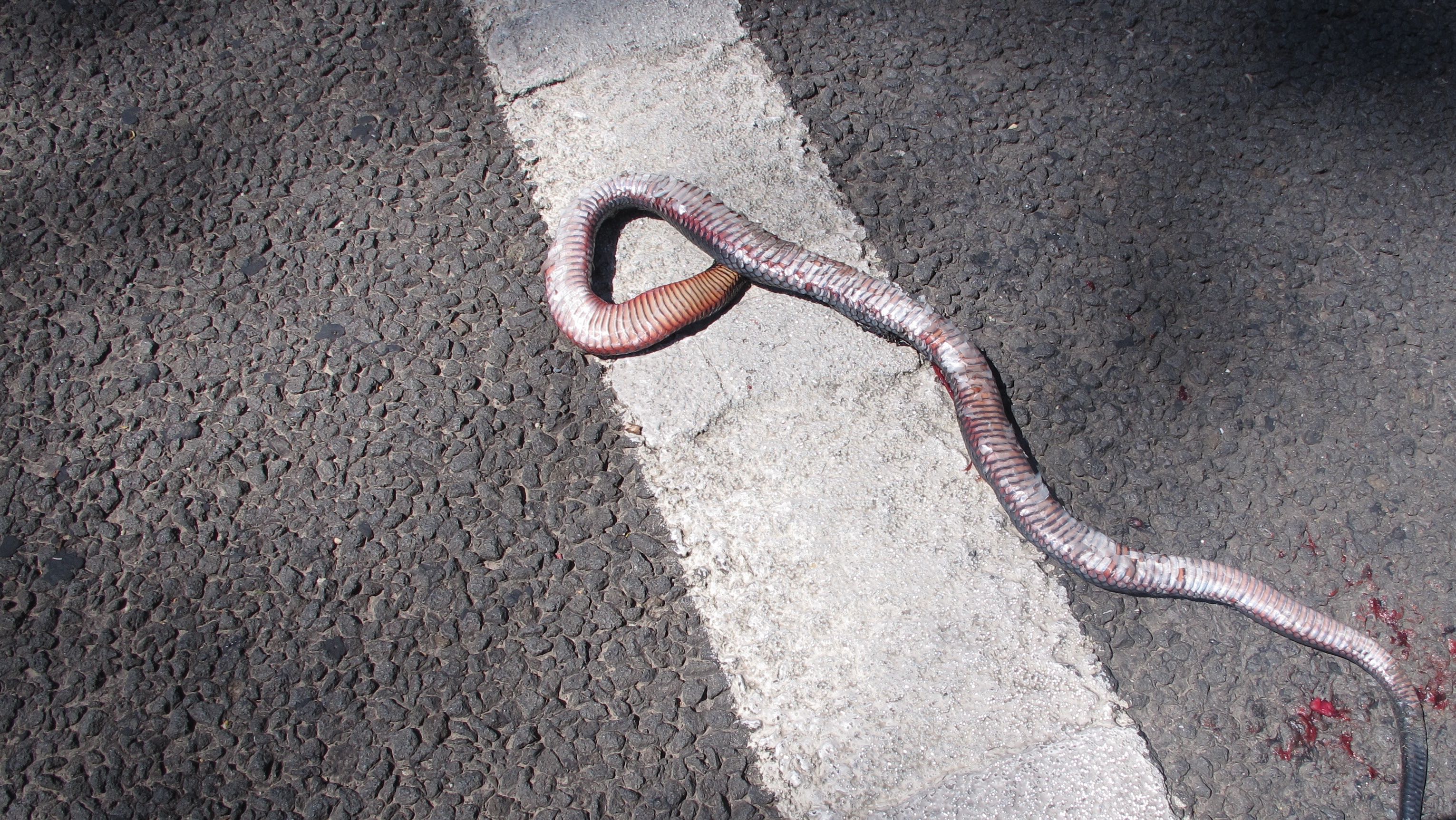
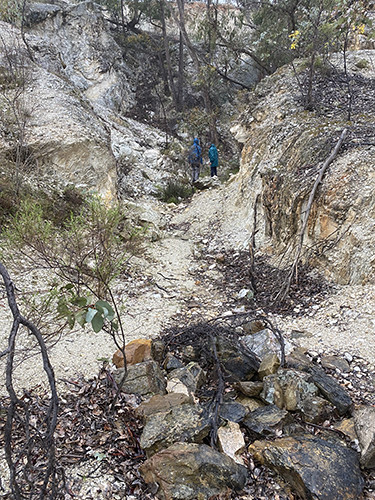
Muckleford Demo track, November 2011: even if risk analysis showed that the burning program wasn't making us safer, the Government would still be committed to it.

Muckleford Demo track, November 2011: even if risk analysis showed that the burning program wasn’t making us safer, the Government would still be committed to it.

There’s debate about how effective the Government’s effort has been on the first four of these approaches; but on fuel reduction the situation is stark.

The Government view is that you decide in advance how much land you burn, then you work on the risks: you try to burn smarter, and you do a lot of monitoring, but none of this influences the amount of burning you do.

In other words, even if the risk analysis and the monitoring program demonstrate conclusively that the burning program is not making people safer, but is doing a lot of environmental damage, you keep on with it.

A fixed burning target is clearly not compatible with serious risk management: this point has been made clear by the Royal Commission Implementation Monitor and many others. The government, however, is sticking grimly to the policy. The Labor Party appears to be doing the same, perhaps not grimly, but gormlessly.

The above depressing theme tended to overshadow an otherwise informative conference. DEPI went to a lot of trouble to assemble numerous experts to explain and explore ideas on risk modelling, ecological monitoring, and ecological resilience.

Continue reading

Posted in Fire Management, News | Comments Off on Act first, think later

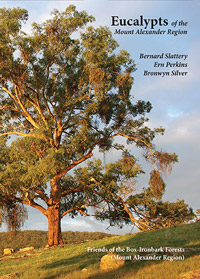
Eucalypt project in the air

FOBIF has tentatively begun work on a beginners guide to eucalypts of the Mount Alexander region, in a joint project with Connecting Country. We’re looking for enthusiasts who are interested in joining the working group. ‘Work’ will involve a fair bit of mooching around peering at trees.

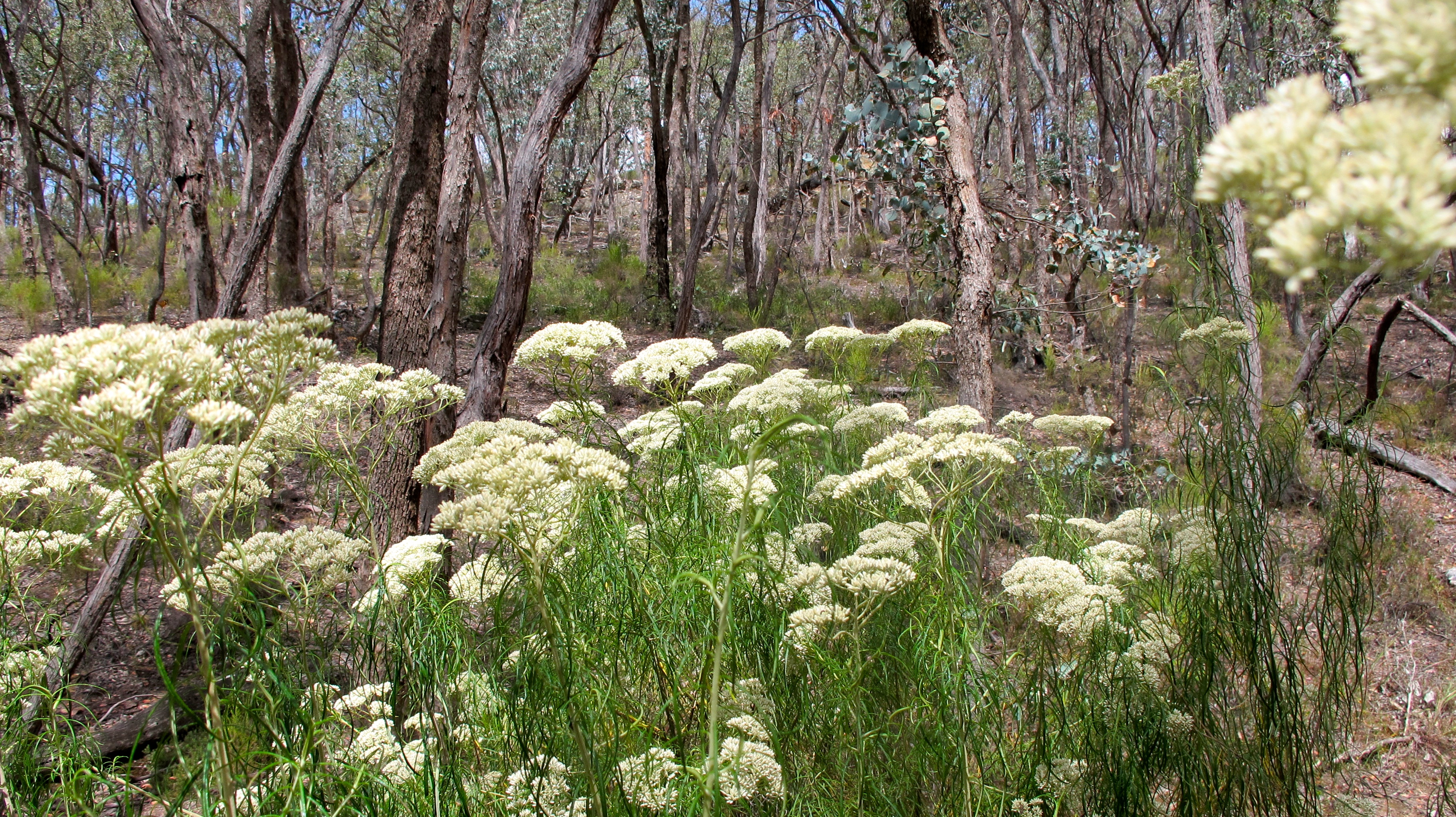
Red box [Eucalyptus polyanthemus] blossom, Maldon Historic Reserve, October 2014. Red box is coming into flower now; Yellow gum is in flower; and Red gums are on the way.

Red box [Eucalyptus polyanthemus] blossom, Maldon Historic Reserve, October 2014. Red box is coming into flower now; Yellow box is in flower; and Red gums are on the way.

Posted in News | Comments Off on Eucalypt project in the air

Now, what’s this about Gough’s Range?

Not too many people visit Gough’s Range State Forest, roughly midway between Welshman’s Reef and Maldon. This small [161 ha] forest will be getting a few extra visitors in the 2016-17 management burning season, however. It’s down for a DEPI ‘Landscape Management Burn’. The intention of managers is

‘To provide an irregular mosaic of areas of fuel reduction which will complement works in adjacent fire management zones and can assist in ecological resilience and forest regeneration.’

Cairn Curran Reservoir, from the western edge of the Gough's Range forest. Modestly interesting views are to be had from many parts of this bush.

Cairn Curran Reservoir, from the western edge of the Gough’s Range forest. Modestly interesting views are to be had from many parts of this bush.

We’ve been informed that the Department intends a burn coverage of 30-50% of the declared area; further, in its response to the Muckleford Forest submission to the Fire Operations Plan, DEPI has said that ‘every planned burn’ gets an environmental assessment beforehand—so we’ll be keen to see how the managers go about assessing the values of this modest forest, and protecting those values.

It's not Everest, but this chocolate lily is still a trial for the small beetle: Gough's Range, October 2014

It’s not Everest, but this chocolate lily is still a trial for the small beetle: Gough’s Range, October 2014

FOBIF will be running one of its monthly walks in the Goughs Range forest in winter next year.

Continue reading

Posted in Nature Observations, News | Comments Off on Now, what’s this about Gough’s Range?

Fire operations: some answers

FOBIF has received a response to its submission on the Fire Operations Plan from Andrew Koren, DEPI program manager for planned burning in this region.

In brief, DEPI has responded to our concerns with the following points:

1. The Government is committed to increasing its planned burning; at the same time it is developing a strategic risk management approach for ‘prioritising fuel management’. It doesn’t seem to see the contradiction between these two approaches.

2. The statewide 5% target is being pursued. However, ‘Murray Goldfields is capped at approximately 4% or 14,000 hectares, this in recognition of the unique vegetation that occurs in the Murray Goldfields district.’

3. We can’t see burn plans because they’re subject to change based on weather conditions and other factors.

4. The pine plantations are Hancock business, but DEPI ‘is aware’ that Hancocks ‘undertake fire management works’.

5. DEPI is keen to cooperate on the matter of weed infestations.

6. On specific burns: the very large Gower Cemetery Rd fire, in the Muckleford Forest, has been taken out of the current plan, presumably to be done later; the Dunn’s Reef fire, also in the Muckleford forest, ‘is not all planned for treatment’; and DEPI is willing to discuss the Gough’s Range fire.

FOBIF will be following up all these points.

Posted in Fire Management | Comments Off on Fire operations: some answers

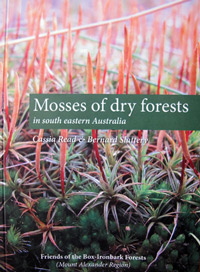
‘Mosses of dry forests…’it’s easier to buy now

FOBIF has opened a Paypal account to make it easier to buy its field guide to mosses of dry forests online. We did this to facilitate orders from overseas, but the system will make it easier for locals to buy the book.  For more details, click on the icon at right.

Posted in News | Comments Off on ‘Mosses of dry forests…’it’s easier to buy now