Get social with fobif…


-
Twenty Bushwalks in the Mount Alexander Region
Mosses of Dry Forest book
Eucalypts of the region book
Wattles of the region book
Native Peas of the region book
Responding to Country
Category Archives: Nature Observations
Poolside
Last summer saw an amazing explosion in numbers of dragonflies and damselflies around our creeks and dams. This year there are already significant numbers of these interesting and important creatures. The Forest Creek pools near the walking track are playing … Continue reading
Posted in Nature Observations
Comments Off on Poolside
Make yourself comfortable!
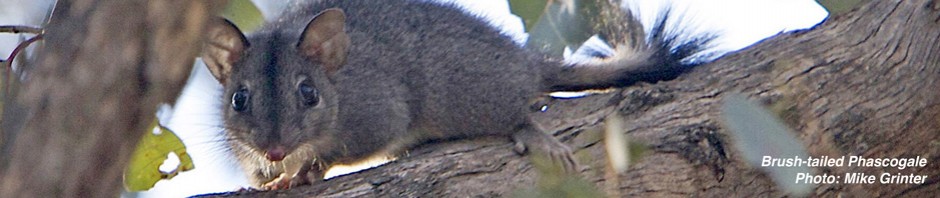
The brush tailed Phascogale, or Tuan, is FOBIF’s chosen symbol for a number of reasons: it’s an iconic box ironbark species, it’s endangered, and, let’s face it, it’s cute. One of the interesting things about the Phascogale is that it … Continue reading
Posted in Nature Observations
Comments Off on Make yourself comfortable!
It’s hard to like them, but they’re quite at home with us…
The picture below is of a dead Redback spider, Latrodectus hasselti, found in a Castlemaine garden. The species is infamous for its alleged propensity to lurk on toilet seats, but is actually quite shy, though it has made itself comfortable … Continue reading
Posted in Nature Observations
Comments Off on It’s hard to like them, but they’re quite at home with us…
Out and about in the Muckleford Forest
I always find that the call of the Peaceful Dove is enticing, but it can be a hard bird to actually locate. The call seems to move about and getting a fix can be hard. When you do, the view … Continue reading
Posted in Nature Observations
Comments Off on Out and about in the Muckleford Forest
An interesting Greenhood
Two FOBIF members recently went to the Wewak Track hoping to see the Matted Bush-pea Pultenaea pedunculata in flower. This creeper covers vast areas and is spectacular when in flower. Unfortunately we were a week or two too early. We did … Continue reading
Posted in Nature Observations, News
Comments Off on An interesting Greenhood
The sounds of spring, part 1
Each spring a variety of birds migrate back into the area for breeding. Hence the forests become alive with the calls of these species that haven’t been heard in the area for quite a while. This post introduces you to … Continue reading
Posted in Nature Observations, News
Comments Off on The sounds of spring, part 1
Buff-banded Rail in Marie and John’s yard
This Buff-banded Rail, Gallirallus philippensis stayed in Marie Jones and John Ellis’ house yard for two days and enjoyed the easy food pickings. With no cats it didn’t have too much to worry about. This is the first time they have … Continue reading
Posted in Nature Observations, News
Comments Off on Buff-banded Rail in Marie and John’s yard
Small birds, part 4
Other common birds you are likely to see in the forests include the Silvereye Zosterops lateralis which frequents a range of habitats from town gardens to open forest. They often move about in flocks searching for food. A bird that … Continue reading
Posted in Nature Observations, News
Comments Off on Small birds, part 4
Moss: Examining the detail
Fifteen people took part in a fascinating moss field day at Clinkers Hill Bushland Reserve on 27 August. This was part of the Moss and Liverwort project that is working on producing a brochure about local mosses and liverworts. The group … Continue reading
Small birds, part 3
The more noisy and active of the birds are the Honeyeaters, often flying rapidly between trees, calling loudly and chasing one another. The Red Wattlebird Anthochaera carunculatais is the largest and most aggressive, chasing all comers away. Please upgrade your … Continue reading
Posted in Nature Observations, News
Comments Off on Small birds, part 3
 Click on image for info/order page
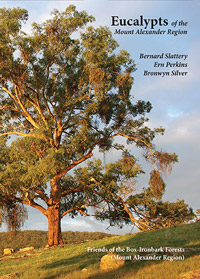 Click on image for info/order page
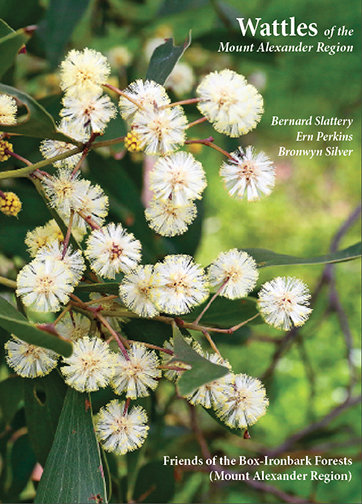 Click on image for info/order page