The normalisation of insanity

Every now and then you get the idea that our culture is insanely careering towards a cliff with a gaga look on its face.

Mainly this comes from watching television, most particularly the commercials. Some do stand out as particularly moronic, however.

Still from AAMI commercial: the message is that it’s a bad thing to have to scoot to school; and that only transport by car is acceptable for children.

Here’s an example: a commercial currently running on TV for AAMI insurance, which runs the line that it’s a terrible humiliation for children to have to scoot to school, because the family car is under repair.

If you can bear it, you can see it here.

The Australian Cycle Federation puts it well:

‘25% of Australian kids are obese or overweight (and two thirds of adults)

‘60% of all car passenger trips in the morning peak are for children being driven to primary/ secondary school (traffic congestion, much?)

‘75% of primary school kids live within 10-15 mins walking / scooter distance of school.

‘See a correlation?

‘Making out dad to be a dork, and the kids reluctant to scooter because “no one else does it” not only discourages healthy social norms, it is also clearly not true. Most kids love the opportunity to ride or scooter to school if given the chance.

‘Grow up please AAMI.’

Posted in News | 1 Comment

Three reasons to visit the Loop and Wewak Tracks

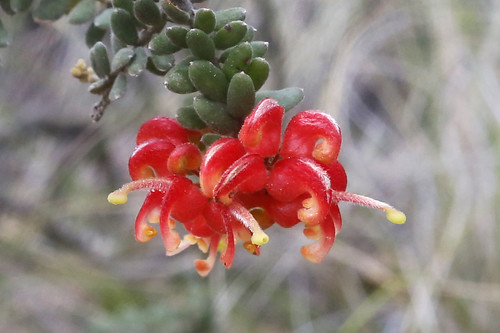
Last Friday walkers came across these unusual flowers near the Loop Track at the southern end of the Castlemaine Diggings National Heritage Park. Frances Cincotta identified the plant as Rosy Baeckea Eurymyrtus ramosissima. According to Ern Perkin’s database it is a native in the Myrtle Family, rare in our region but much more common in the Bendigo Whipstick and the Dargile-Heathcote area. It was formerly called Baeckea ramosissima. We would be interested to know if anyone else has spotted this plant locally. You can contact fobif here.

Rosy Baeckea Eurymyrtus ramosissima. Loop Track. Photos: Bronwyn Silver

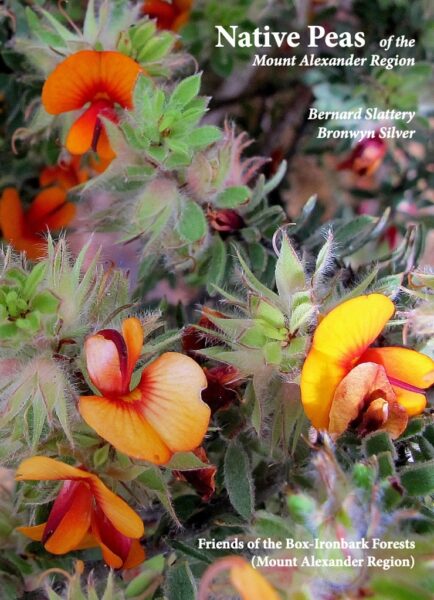
Also near the Loop Track but not yet in flower is the Scented Bush-pea Pultenaea graveolens. This native pea can also be found along parts of Porcupine Ridge Road. It grows to a metre or more high and the flowers are single, on short stalks from the leaf bases. Although listed as ‘vulnerable’ under the Fauna and Flora Guarantee Act there are masses of this shrub near Loop Track. You can see more of Ern’s photos here

Scented Bush-pea Pultenaea graveolens. Porcupine Ridge. Photo: Ern Perkins

Last is the Matted Bush Pea Pultenaea pedunculata which is about to flower along the Wewak Track. This prostrate mat-forming plant pea provides a truly magnificent display for several kilometres during October. We will keep you posted about when it is in flower. 

Matted Bush-pea Pultenaea Pedunculata. Wewak Track, 25 October 2018. Photo: Bronwyn Silver

You can find the Wewak and Loop Tracks on the Italian Hill and Loop Track maps (look in the Castlemaine Diggings section) on Jase Haysom‘s website. If you need help with directions contact FOBIF.

Posted in Nature Observations | Comments Off on Three reasons to visit the Loop and Wewak Tracks

TOGS photo show opens

FOBIF’s photographic show is now open at TOGS cafe in Lyttleton Street. It will run till 24 October. All photos are for sale with proceeds going to FOBIF.

Since 1999 the Friends of the Box-Ironbark Forests has been conducting art and photography exhibitions and this is our tenth exhibition since 2009. Six of these have been at Togs Place. They have all had the same purpose: to honour the native forests of the region, continuing the long tradition of artistic involvement with these forests. Photographers in this exhibition are all local residents

Thank you to all the photographers who contributed photos to this project.

You can download a catalogue with a brief description of each photo here

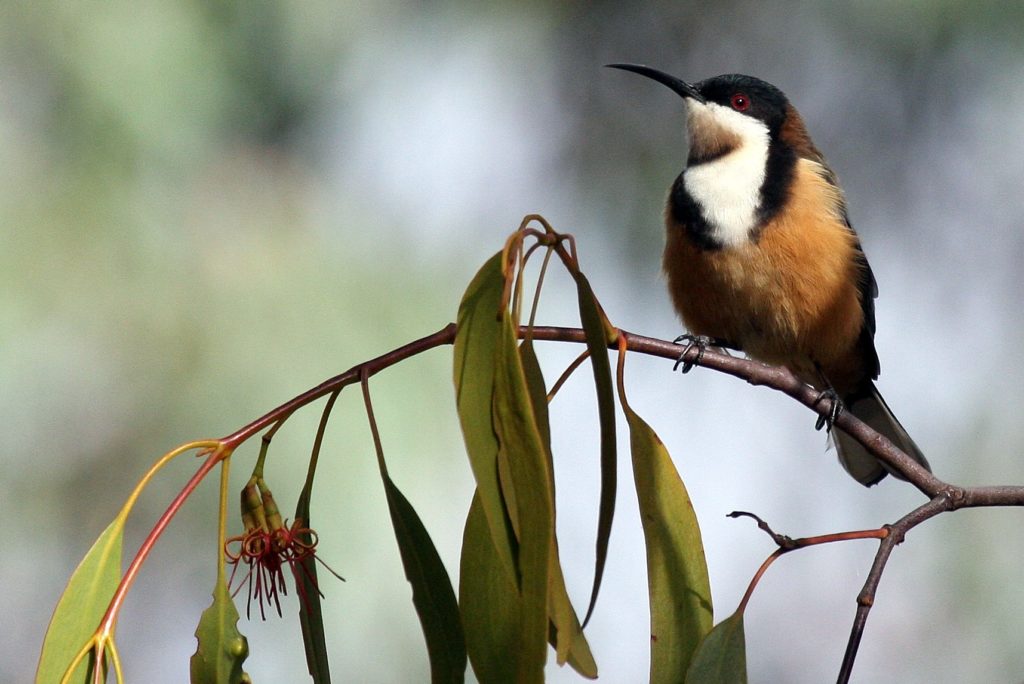
One of the photos from the show: Brown-headed Honeyeater (Lichenostomus melithreptus)
Photo: Patrick Kavanagh, January 2019
These very social honeyeaters are the most common in the heathy woodland. They spend much of their time in the canopy, so it’ a delight to get a close look at them when they come down to the bird bath in small flocks.


Posted in News, Photo Exhibitions | Comments Off on TOGS photo show opens

Around the Wewak Track

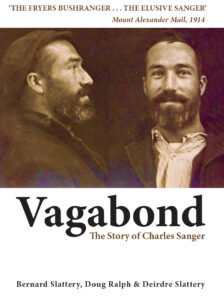
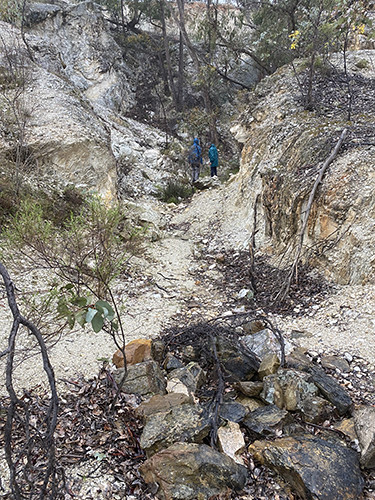
Last Sunday’s FOBIF excursion was a 5 km loop walk in Wewak Track area at the southern end of the Castlemaine Diggings National Heritage Park. It was a warm overcast day and fortunately the threatened rain held off. Numerous plant identification stops meant that the pace was leisurely. Highlights were finding the Smooth Parrot-pea and numerous Heath shrubs in flower, seven species of Wattles, and the rare Elphinstone Grevillea.  Jeremy Holland also took us a 100 metres off the track to see ‘Mr Hunts Chimney’ and a nearby extremely deep mine shaft. Lunch was at the Charlie Sanger hut ruin on the Goldfield Track.

Some of the walkers on the Wewak Track near the end of the walk.

Noel Young’s bird list
*Crimson Rosella, *Long-billed Corella, Sulphur-crested Cockatoo, White-winged Choughs, Olive-backed Oriole, Grey Shrike-thrush, Fuscous Honeyeater, Yellow-faced Honeyeater, *Pallid Cuckoo, Fantail Cuckoo, Horsefield’s Bronze-cuckoo, *Grey Fantail, Rufous Whistler, White-throated Treecreeper, Spotted Pardalote, *Thornbill sp.
*sighted (otherwise from call recognition)

Thanks to Frances Cincotta and Elaine Bayes, for leading such as fascinating walk. 

Next month’s walk will be and 8 km walk in bushland between Railway Dam and White Gum Track. Leaders will be Bernard Slattery and Jeremy Holland. Check the walk’s page for more detail.

Posted in News, Walks | 1 Comment

It’s not Bambi, it’s not cute–and it’s coming to a place near you

More and more deer sightings are being reported from our region, where they were once reasonably uncommon. A herd of 11 was seen in Muckleford last month, and last weekend 7 were sighted in the Gough’s Range State Forest.

Deer in the Gough’s Range State Forest, September 2019: they’re a danger to traffic, a pest to agriculture and they trash the bush. And there are more and more of them.

Reports are piling up from around the state of the damage done by these feral animals, whose numbers are not being controlled by recreational hunters. The state government has been under pressure from farmers, conservationists and municipalities to deal with the exploding deer population. So far it has delayed making any kind of decisive decision about what to do with the problem. We can only speculate about the reasons for this delay, but the most likely explanation is that the government clings to the notion that the economic benefits of deer hunting and  the political clout of hunters outweigh the damage done by the animals.

As the deer population increases this position is getting dodgier and dodgier.

Posted in News | 1 Comment