Send a card to stay in touch . . .

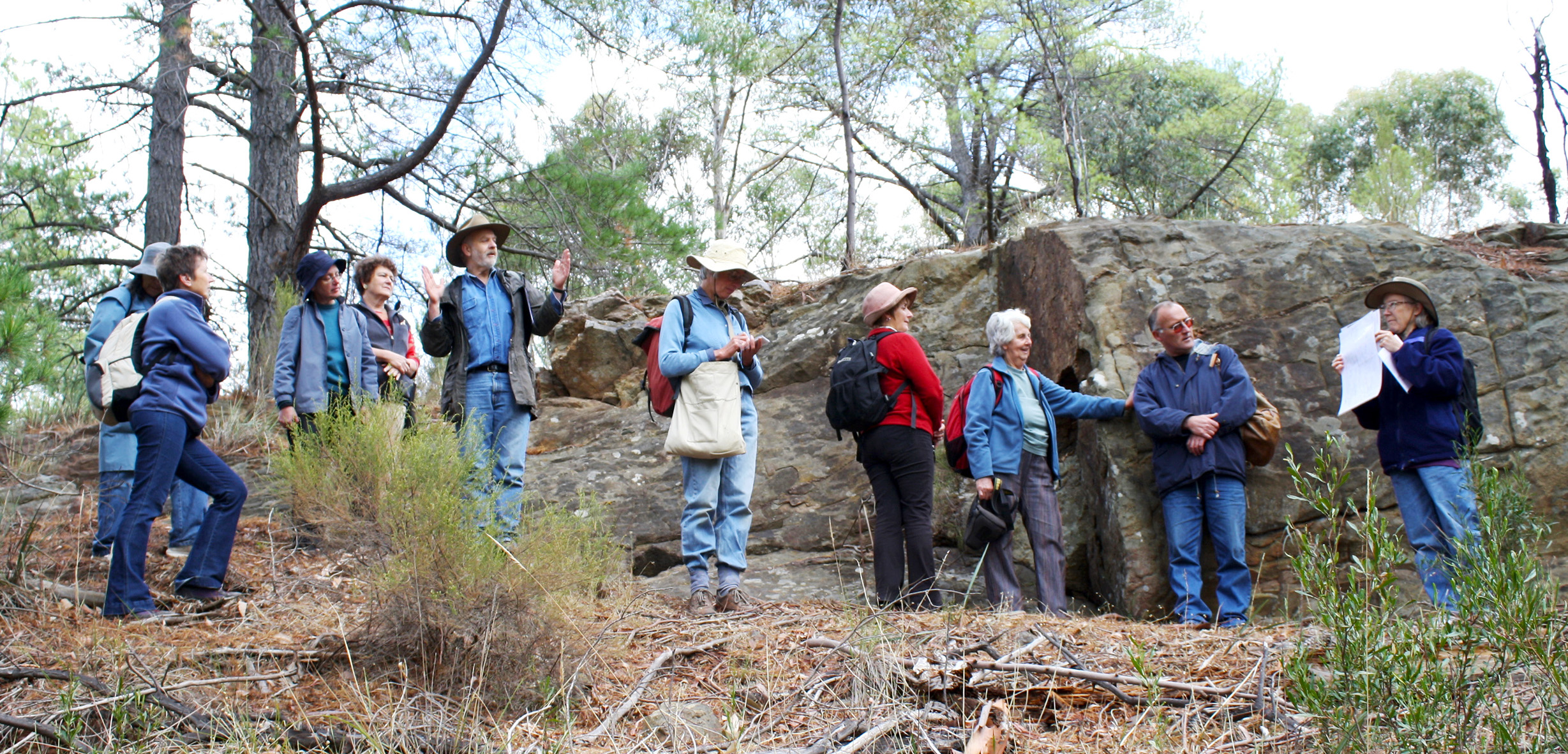
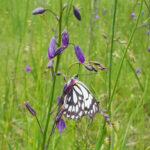
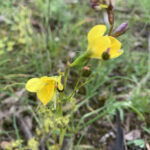
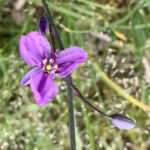
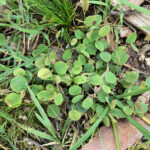
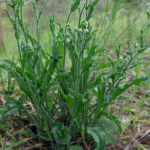
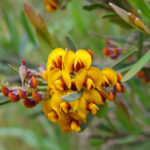
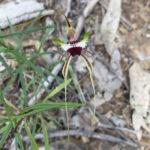
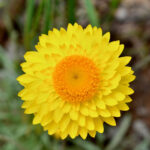
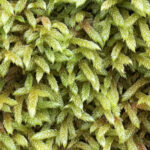
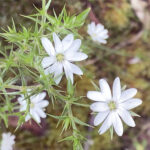
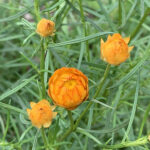
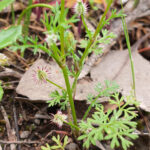
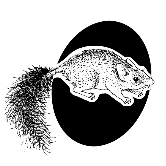
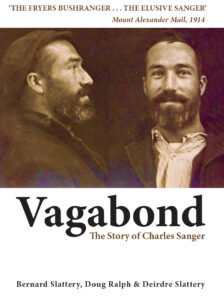
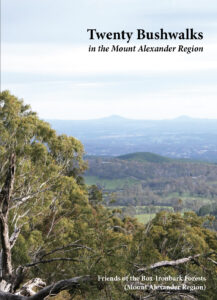
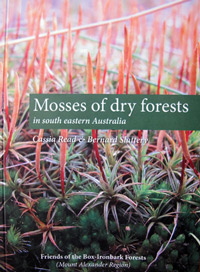
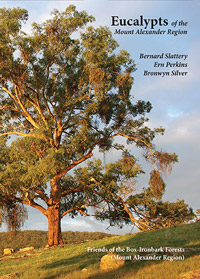
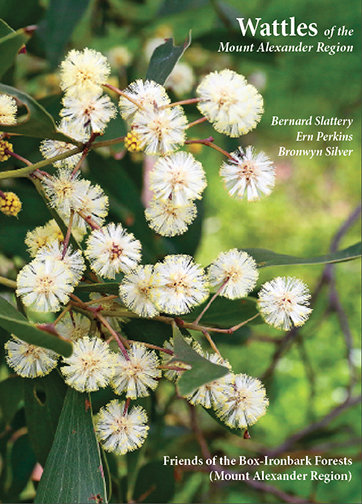
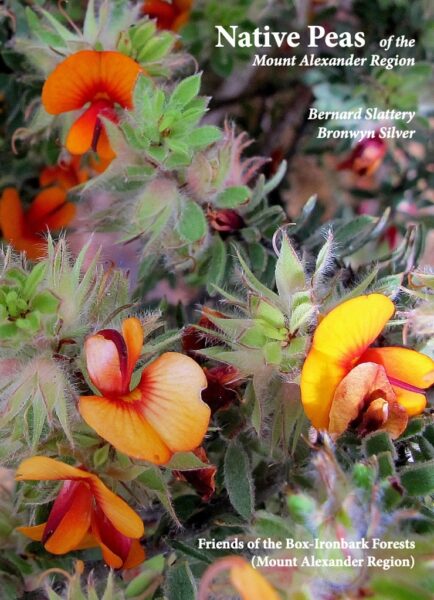
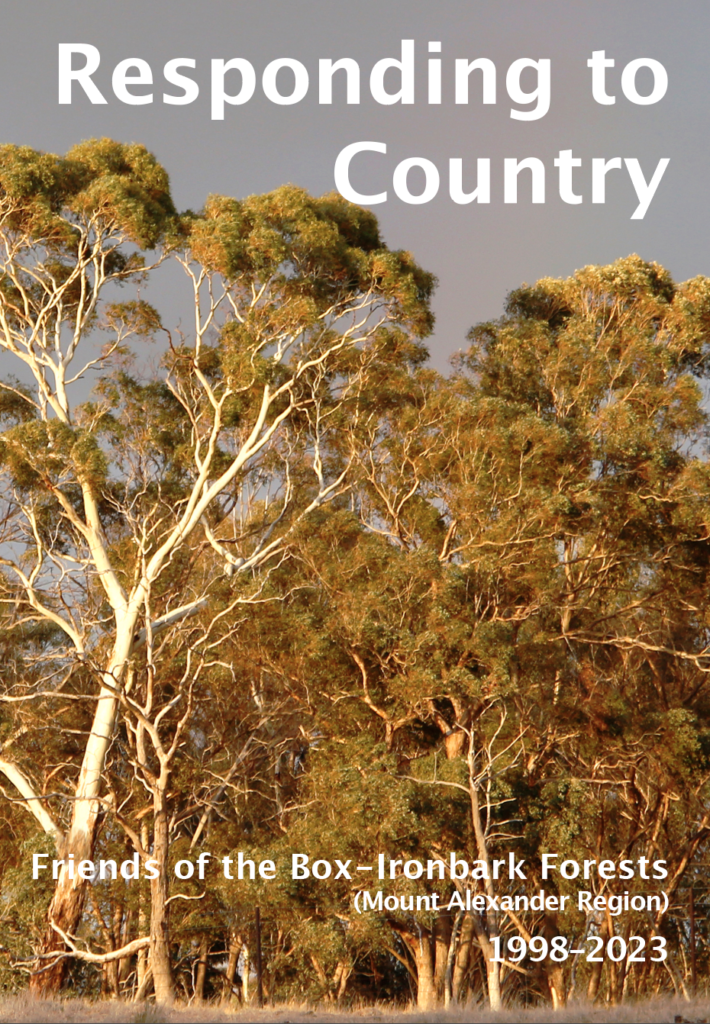
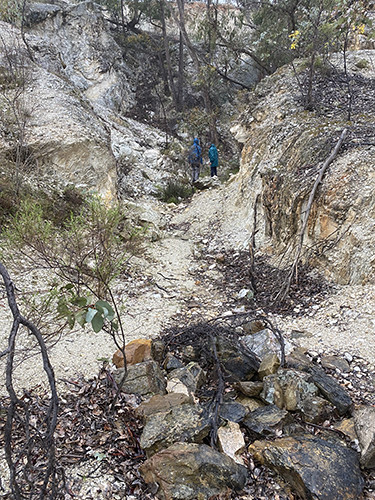
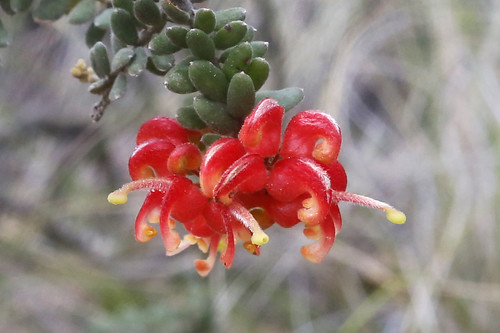
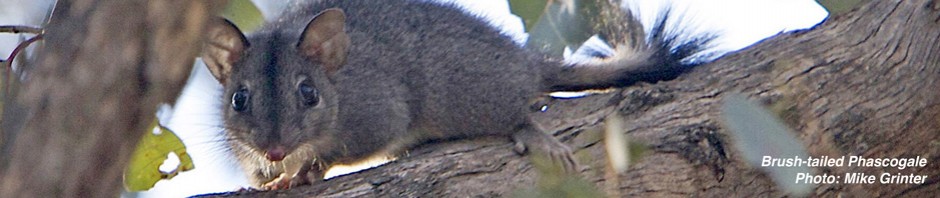
Three of the greeting cards in FOBIF’s set of 8 local nature cards.

Our greeting cards are now available from Buda, 42 Hunter St, Castlemaine, Friday to Sunday, 1-4 pm and Falkner Gallery, 35 Templeton Street, Castlemaine, Thursday to Saturday, 11-4 pm. We can also deliver them if you live reasonably close to Castlemaine.

You can see all the photos plus information about buying the cards online on this past post. Cost for set of 8 is $20 including postage.

Posted in News | 1 Comment

Cats, dogs and biodiversity

Readers of the daily press will have noted the damning report on Australia’s biodiversity protection laws, which concluded, among other things:

  • “The EPBC Act is ineffective. It is not fit for current or future environmental challenges, such as climate change.”
  • “The EPBC Act has failed to fulfil its objectives as they relate to Indigenous Australians.”
  • ” The EPBC Act is duplicative, inefficient and costly for the environment, business and the community.”

Muckleford Castlemaine road, winter: What is holding this landscape together? This is one of the questions provoked by the Biodiversity report.

If you want a bit more detail on the horror story, click here. The draft report is open for consultation till August 17. To have a go, click here.

The government has responded to the report by sending out signals about ‘cutting green tape’—always a bad sign, and mostly meaning ‘cutting environmental protection’.

Here’s an opinion worth brooding on, from conservation ecologist Megan Evans:

‘The EPBC Act is in genuine need of reform, but many of its problems can be fixed with investment in basic regulatory infrastructure – think actual IT systems, not hard copy records – and on-ground action that science has demonstrated to be effective, but continue to go unfunded.

‘Stopping extinctions isn’t even that expensive.

‘The latest science estimates 1,700 of Australia’s threatened species could be recovered with about $1.7 billion annually. For comparison, Australians spend about $13 billion a year on pet food.’

That last figure comes from a 2019 survey by Animal Medicines Australia. It’s not an argument against pet ownership, but it is a question mark against our priorities.

Posted in News | Comments Off on Cats, dogs and biodiversity

Dogs, cats, chooks, biodiversity…and viruses

Which one of the above is the odd one out?

Answer: none.

The world is a pretty tangled place, and pretty well everything in it is linked.

This is the gist of our recommended lockdown reading for the month: On Pandemics: deadly diseases from bubonic plague to coronavirus, by David Waltner-Toews [Black Inc 2020]. This  is an update for COVID 19 times of his 2007 book, The chickens fight back: pandemic panics and deadly diseases that jump from animals to humans. As you can tell, it’s a cheery read, made so by the writer’s obvious affection for viruses, bugs, ticks, fleas, rats and other discomforting things. Five minutes into it and you’ll be slightly surprised to be still alive, given the number of threats to your existence hovering over your head, or maybe gazing at you through the eyes of your beloved cat. Viruses don’t pop out of thin air: they have often been living quite comfortably in other creatures, only to emerge when that arrangement has been disturbed by humanity…

One important lesson from this book (among many), is the writer’s clear outline of the link between ecological disruption and virus borne diseases. Broadly, his argument is that viruses which have found a home in wild places are forced to relocate to humans when these invade those places; and that biodiversity is an important barrier against pandemics. Here are a few typical quotes:

‘Triatomine bugs originally lived (happily?) in free living forest animals in south and central America. With deforestation, some bugs that were originally sylvatic….seem to have developed a penchant for certain types of human dwellings.’

‘…populations of plants, mammals, birds and insects living in ecosystems with low biodiversity tend to be more adversely affected by host-specific disease, and more effective at spreading it, than populations in ecosystems with high biodiversity…’

‘…Lyme disease was less likely to occur in more biologically diverse habitats, since the ticks and the bacteria they were carrying were less likely to find suitable hosts on which they could feed in such habitats…diverse habitats, which buffer against disease, are resilient, which means they have the ability to adapt and change.

Waltner-Toews  paints a complex picture, but the general thrust of it is: biodiversity is good for the health, in more ways than one. He makes it clear that this fact applies to cities as well as rural areas. Green belts, complex streetscapes and biodiverse gardens can all be barriers against disease. And he has an intriguing set of reflections on the value of household pets–and their possible dangers.

All of which is relevant in the context of the current questions being asked about the origins of COVID 19.

There are many other dimensions to Waltner-Toews book, especially his strong argument that poverty is a major factor in the damage done by diseases. But we’ll just leave you with this, er, fun fact: Did you know that the global body mass of commercial chickens now exceeds that of all other birds combined?

On pandemics can be had from Stonemans Bookroom in Castlemaine.

Posted in News | Comments Off on Dogs, cats, chooks, biodiversity…and viruses

Want to do your bit for biodiversity? Do it in the garden!

You have to admire weeds: their tenacity is an example to us all. Every gardener knows that they don’t give up without a fight, and the struggle against them can seem to be both thankless and futile. Even talking about them seems to cast a pall over the garden scene.

For a more positive take on gardens and nature, take a look at Wombat Forestcare’s recent publication: Grow wild: gardening to sustain wildlife in the Hepburn shire, by Jill Teschendorff. This publication is of course centred on the area to our south, but much of it is of practical relevance to the Mount Alexander region. The 71 page handbook contains advice about habitat creation and protection, garden design and plant selection. Importantly, there’s a section on creating habitat in an exotic garden: most local gardeners are reluctant to go for fully indigenous gardens, and constructive compromise is offered here. Finally, there’s a list of recommended plants: though based on conditions in Hepburn, it contains many plants suitable for our region. The book does tend to lend itself to larger gardens or bush blocks, but there’s plenty to interest the town gardener.

You can buy the book by emailing info@wombatforestcare.org.au ($15 plus postage).

Posted in News | Comments Off on Want to do your bit for biodiversity? Do it in the garden!

Free spectacle on show now

This year has been a good one for mosses. Their bright green colours have been prominent, even dominant in many places. The roadside pictured below is a fair sample:

Walmer roadside: There are four species of moss in this photo. The most prominent–the bright green spiky one–is Triquetrella papillata. The others? Check out FOBIF’s Moss guide, now in its fourth printing. 

With a bit of luck the season will get even better as the various mosses put up intriguing spore heads. Get down and have a look!

Posted in News | Comments Off on Free spectacle on show now