Acknowledgement of Country
Friends of the Box Ironbark Forests would like to acknowledge the Elders of the Dja Dja Wurrung community and their forebears as the Traditional Owners of Country in the Mount Alexander Region. We recognise that the Dja Dja Wurrung people have been custodians of this land for many centuries and have performed age old ceremonies of celebration, initiation and renewal on their land. We acknowledge their living culture and their unique role in the life of this region.
Get social with fobif…


-
Recent posts
- A splendid day for the final walk of the year 24 October, 2026
- A potted history of Victoria Gully 24 October, 2026
- President’s report-Gen Blades 24 October, 2026
- A walk on the south side this Sunday 12 October, 2026
- Get out there . . . 12 October, 2026
-
-
-
-
Categories
Category Archives: News
Great lockdown reading 3: Castlemaine’s first environmental conflict
One of the heroes in Marjorie Theobald’s narrative is Gold Commissioner Captain John Bull. The author builds on her previous research on one of the problems he faced: ‘As concern for the environment as we understand it today did not … Continue reading
Posted in News
Comments Off on Great lockdown reading 3: Castlemaine’s first environmental conflict
Oceans of blossom, thousands of questions
The photo below shows fields of Woolly Wattle south of the Wewak Track, east of Porcupine Ridge. The wattle is interesting (and beautiful, of course) for the fact that its blossom can vary from pale yellow to dense lemon colour, … Continue reading
New find in Muckleford Forest!
A small population of a daisy-bush never found in Mount Alexander Shire before (as far as we know) has been discovered in bushland to the north of Newstead. Found growing under Grey Box and Yellow Gum trees, the erect daisy-bush … Continue reading
Posted in Nature Observations, News
1 Comment
FOBIF goes around, again
FOBIF has made a submission to the inquiry by the Inspector General for Emergency Management [IGEM] into the 2019-20 Victorian fire season. The inquiry is broad, ranging over topics like education, operational responses, evacuation planning, the use of the Australian … Continue reading
Posted in Fire Management, News
Comments Off on FOBIF goes around, again
Engaged, again…enraged, again?
Engage Victoria is running another community survey, this time on Loddon Mallee biodiversity. As we’ve suggested before, these ‘public engagement’ exercises can be seen either as praiseworthy efforts to get the public onside, or time wasting exercises whose only result … Continue reading
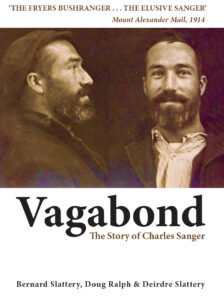
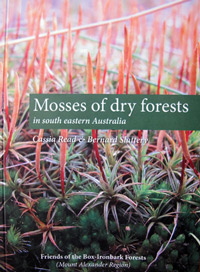 Click on image for info/order page
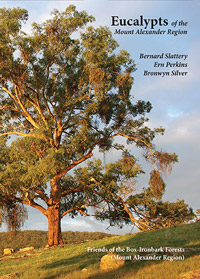 Click on image for info/order page
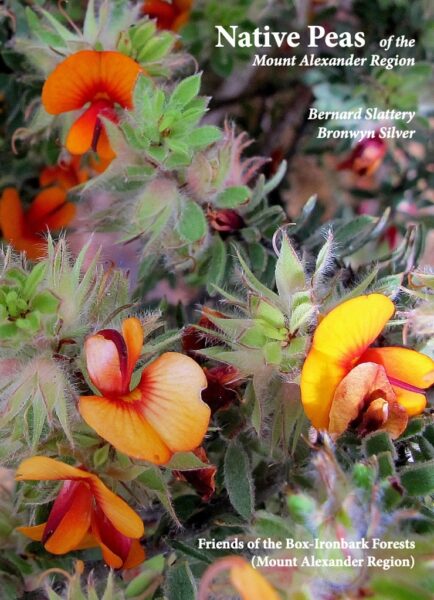
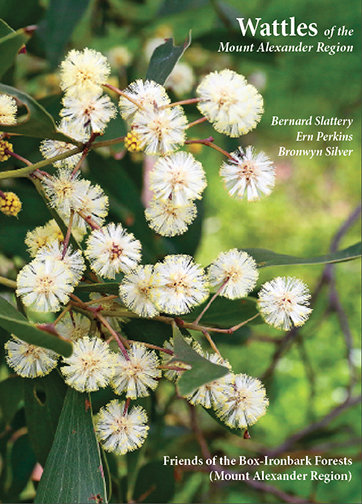 Click on image for info/order page