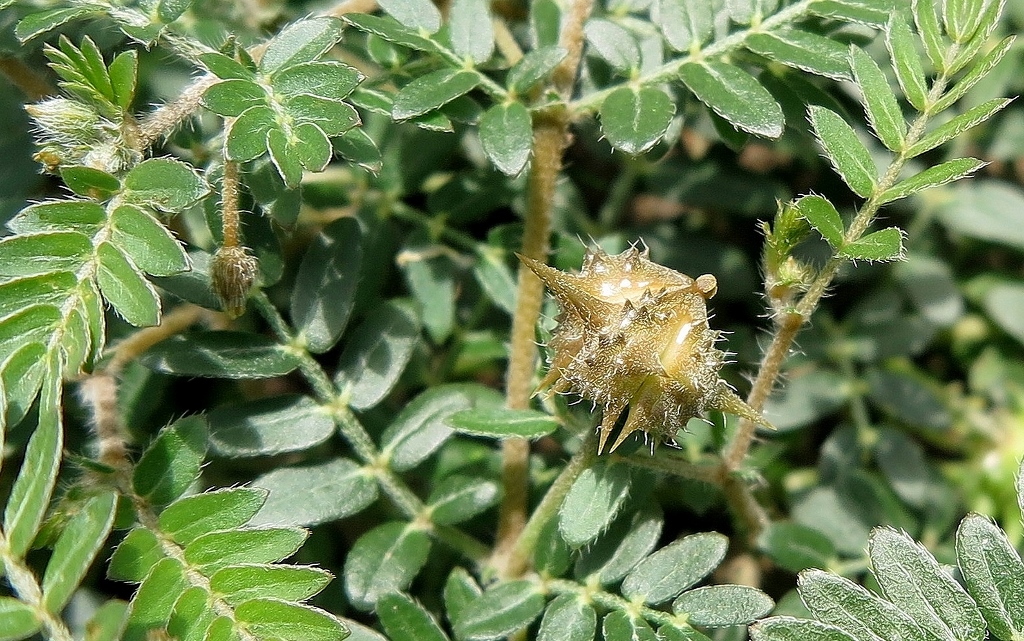
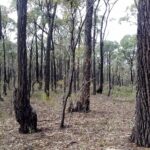
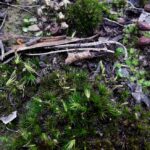
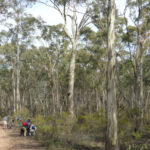
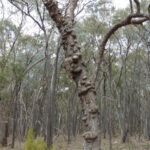
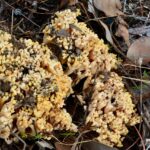
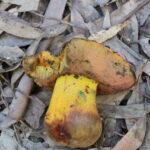
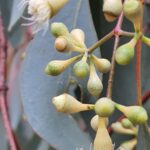
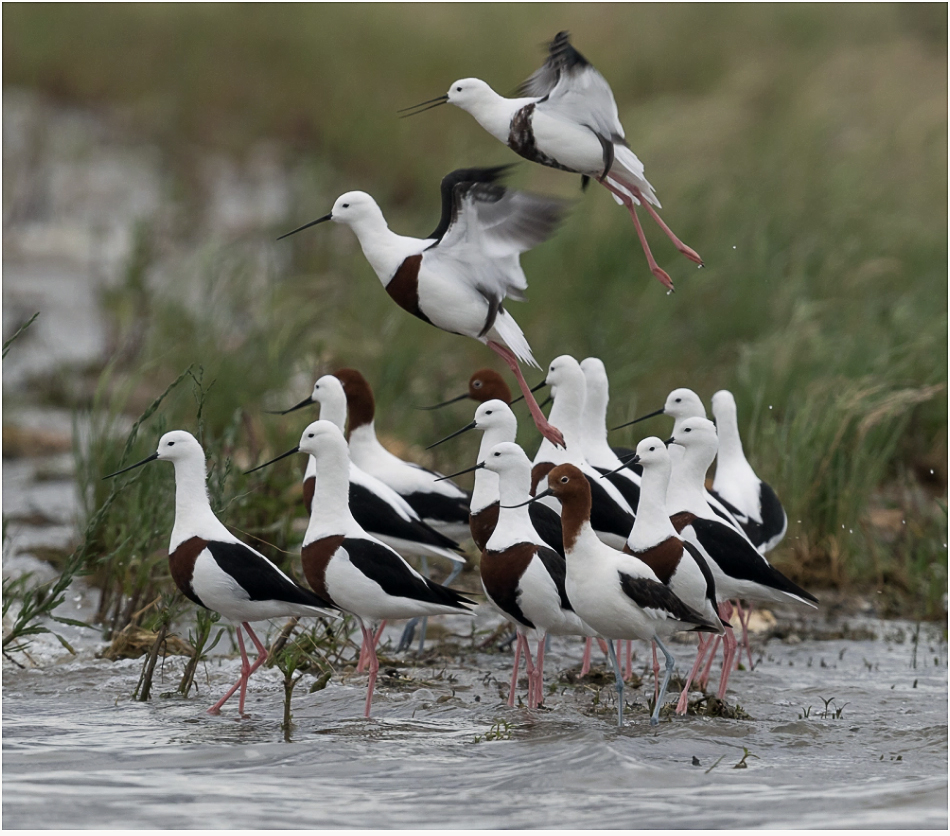
…And what could possibly be special about this?

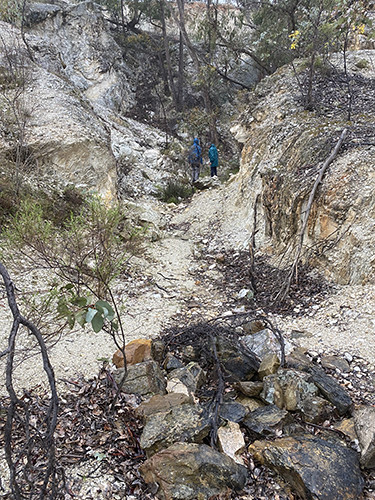
Think of a small, degraded patch of bush, surrounded by industrial sites and roads, only 4 kilometres from the centre of a sizeable city. It’s a tiny remnant of the ravages of gold fever, ‘symbolic of the way nature is now attacked and besieged on all sides.’ At just over 4 hectares, it has 50 mine shafts!

Why should anyone take an interest in such a place? Wouldn’t it be better just to look away, at somewhere a bit more encouraging?

To find an answer to these questions, have a look at Island with corners: Crimson Chats on the White Hills 2019. It’s the ‘complex story behind the Chinese Diggings Historic Reserve and the way it is today’, and is a 68 page large format book written by Bendigo field naturalist John Lindner. The  appearance of unusual birds on the reserve provoked the author to a detailed examination of the history of this patch of land, and his careful documentation of this history is an enthralling and instructive read. As he says, ‘Every now and again, a mere mortal may be astonished by something wonderful, beautiful and unexpected in Nature.’ This book recounts such an experience. It’s an object lesson in paying attention to our local neighbourhood (the author lives one kilometre from the reserve). At a time when there’s a bit of angst around about limitations on travel, perhaps there’s a lesson here for all of us: the next Big Thing in travel might be a seemingly unimpressive patch of land around the corner.

So: if you’re getting a bit downcast by the way the world is going, you could do a lot worse than spend some time on this book. It’s $25 from the author at jwl.bendigo@gmail.com

Posted in News | Comments Off on …And what could possibly be special about this?

Track the threat

Deer were sighted last week in the Middleton Creek area of the Diggings park. This feral species has now been seen in numbers in almost every corner of our region. Every credible community group, including farmers, municipalities and enviro organisations, has urged serious control measures against the exploding population: but, as we’ve reported, the State Government’s response to the menace has varied from the feeble to the supine. Its main agenda, on the face of it, seems to be to please the hunting lobby: a peculiar obsession, given that this particular lobby is generally hostile to the Labor Party.

If you’re interested in doing your bit to track the reality of this particular environmental problem, have a look at Feralscan. It offers ‘Many resources … to help you identify, monitor, or plan control of deer populations in your local area. View fact sheets, instructional videos, guides and strategies on best practice deer management. Use these resources as part of your coordinated control with your neighbours, local working groups, and biosecurity organisations.’ And it enables you to register any sightings you may have in your neighbourhood. Check out our 2019 post here–or go direct to the site at https://www.feralscan.org.au/deerscan/default.aspx

And: if you have the courage, you might want to read ‘The attack of the alien invaders’, an estimate of what feral species are costing the world, in dollar terms. It’s in ‘The Conversation’, today. You can find it here.

Posted in News | Comments Off on Track the threat

This month’s FOBIF bush walk

The next FOBIF bush walk ‘Waterway and gully: Middleton Creek’ will take place next Sunday, 18 April. We will meet at the Community House in Templeton Street at 9.30. There is no need to register for this walk. All welcome. Contact Bernard Slattery on 5470 5161 if you have any queries. 

Posted in News | 2 Comments

Fire 1: ‘This time, it will be different…?’

FOBIF has received an answer from DELWP fire management to our questions about proposed burns in the Diggings Park in the areas of Helge and Wewak tracks.

Readers will remember we asked what lessons the Department had learned from its past efforts in this area, and how the future exercises would be handled differently. Here’s the answer:

‘I am confident in saying that we have learnt a lot from continually reviewing our practices and reflecting on what went well and what didn’t. You have identified 2 burns where aspects of the delivery was not as desired. There are learnings from every burn that are considered and adopted accordingly.

Large Candlebark brought down by indiscriminate DELWP’ ecological burn’, Tarilta valley 2012. FOBIF is concerned that the proposed burns could bring a similar result.


‘Along with engagement, rehabilitation is now a significant consideration in the planning of the burn. The Murray Goldfields now requires the Planned Burn Operations Officer (the officer in charge on the fireground on the day) to complete for every burn a;

  • ‘Post Burn Rehabilitation Check list (evening of burn day or the next day). This information is used to develop works plans for crews to carry out the required rehabilitation addressing issues such as signage, track rehabilitation and catchment protection measures.
  • ‘Post Burn Severity and Coverage document, capturing the coverage of the fire within the unit and its intensity.

‘We seriously review and consider our ignition options and plans. This is very much influenced by the fuels, the desired outcome and our crew safety. Seasonality is also consideration. Conditions as they present at the moment, find gullies still green after summer rains and therefore presents as a good opportunity to treat a burn without impacting significantly on gully lines. We have also observed that lower intensity burns seem to not generate as much fuel and accumulate fuels slower than burns that are generally burnt hotter. In addition, lower intensity burns generally maintain the Overall Fuel Hazard (OFH) levels under triggers for more years than higher intensity burns.

‘Backing this up is that Bureau of Meteorology (BOM) forecasting has improved which allows us to identify burn windows including follow weather and rain events with more certainty. During burning periods, the state establishes ongoing liaison with the BOM for weather forecasting including daily weather teleconferences and one on one liaison with Meteorologist.

‘I would like to reiterate that our staff both within the office and in the field are encouraged to reflect on their practice and provide feedback. This then informs our thinking and in some cases requires adjustments to our methodology. We pride ourselves in being dynamic and adaptive. I think you would agree that our approach to burning now is considerably different to how it was in the past.’

This letter is too vague to satisfy provide a convincing answer to our questions. In particular we don’t get an answer to this question:

‘What were the conclusions of post fire monitoring after the above two exercises [both as to ecological effects and fuel reduction]?’

Nevertheless, FOBIF is partly reassured by the implied admission here that hot burns actually generate fuel, rather than reducing it. We hope that this means a commitment to more care in the management of these fires.

It is true that managers are more aware of the complexity of their task than they used to be: but are the barbaric days of the past over, when burn methods seemed to be ‘throw in a match and watch it go’? We’re not so sure. For one thing, it never seems to be possible to see the documents referred to above: especially, we’d be interested in seeing the ‘post burn rehabilitation check lists’.

Posted in News | 3 Comments

Fire 2: Let’s see what is at stake

The two zones proposed for burning are between the Italian Hill track and the Wewak track, south of Vaughan Springs (see the map in our post). The northern section of this area was burned by the Department in the early 2000s. The burn was hot in patches: not only did it bring down a lot of trees, but it provoked substantial dense regeneration of eucalypts, rather counteracting the fuel reduction effect. The fallen trees did, however, block some wildcat trailbike tracks, thus reducing one scourge for a few years.

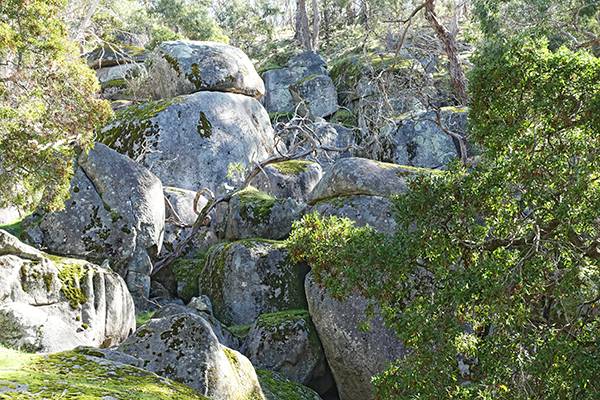
In Stone’s Gully, part of the proposed burn zones.

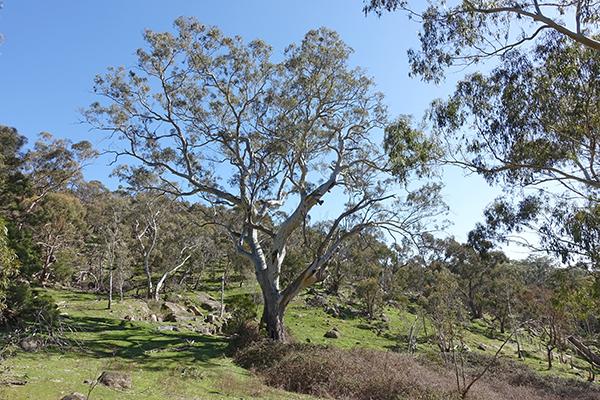
The two zones are strongly marked by past mining activity, and are crossed by the Goldfields Track. In spite of this, for many years they have been among the least disturbed parts of the Diggings Park. Fungi, lichens and moss beds are abundant. The gullies and creeks feature impressive Candlebarks. As FOBIF walkers found a couple of years ago, the ridges also feature unusually large trees. One of FOBIF’s concerns relates to this: that Department burns very often (unintentionally) bring down such trees.

Rock wall, Stone’s Gully. The area is abundant in moss, lichens and fungi.

One very major concern, however is this: the two zones seem to be too large to allow for any detailed management attention to be paid to ecological concerns.

FOBIF will continue to pursue this theme with fire officers.

Posted in News | 1 Comment