Reminder about FOBIF AGM on 12 September

As outlined in a previous post, the FOBIF AGM will be held in the Ray Bradfield Room on 12 September beginning at 7.30. After a short time for AGM formalities Patrick Kavanagh will deliver on talk on Photographing Nature. Patrick has contributed to all of our FOBIF photography shows. He describes his interest in photograph in the following words:

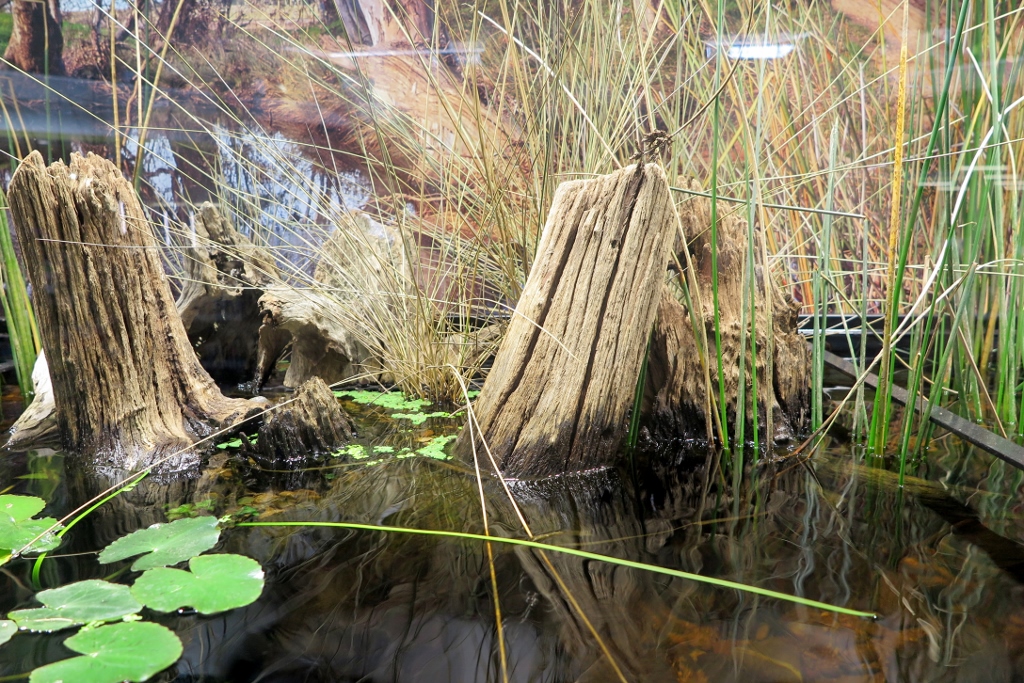
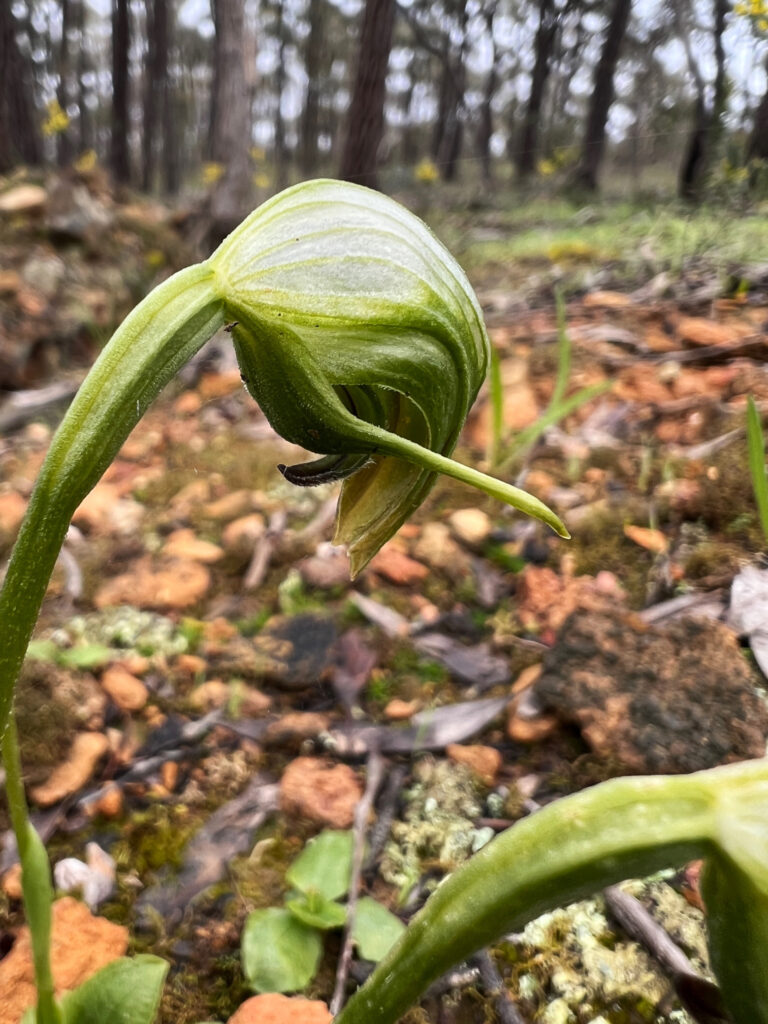
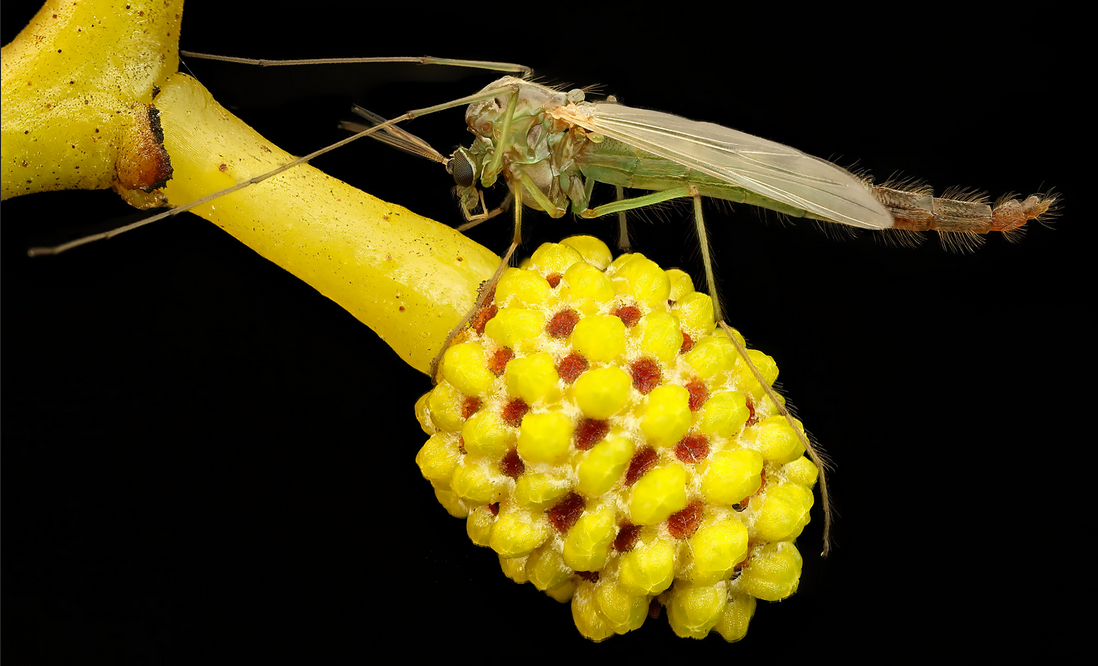
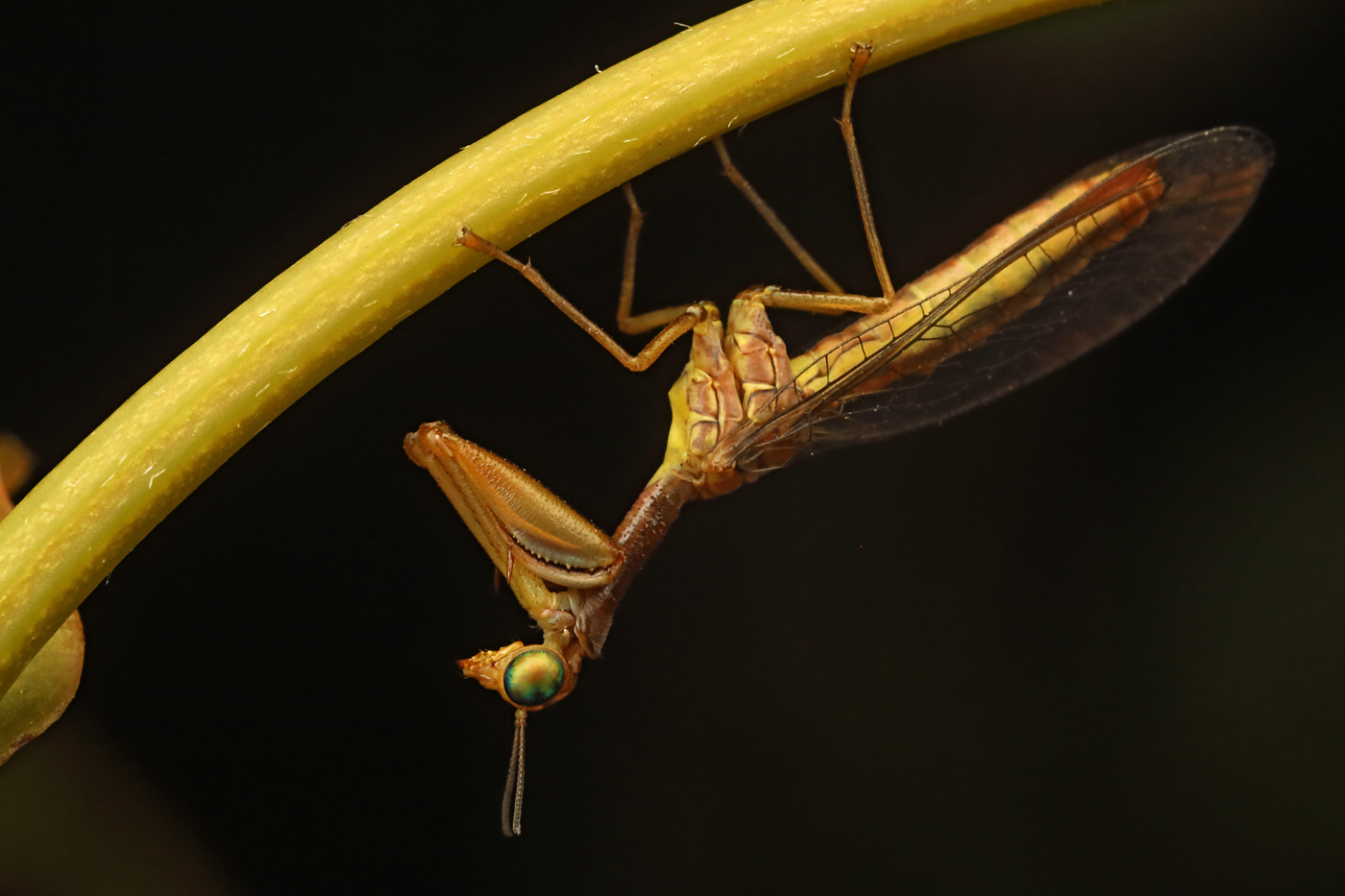
I live in the woodlands of Central Victoria, where I am so often amazed and moved by the natural wonders that surround me. The vastness of the night sky, the magic of a small bird safe to come so close, the other-worldly grace of an insect, the purity of refraction in a dew drop on a moss. With my camera, I try to hold onto some of these extraordinary glimpses and to share them.

Photos by Patrick Kavanagh

If you would like to nominate for the FOBIF Committee see details in this previous post

Posted in News | Comments Off on Reminder about FOBIF AGM on 12 September

Next Sunday’s walk, 21 August

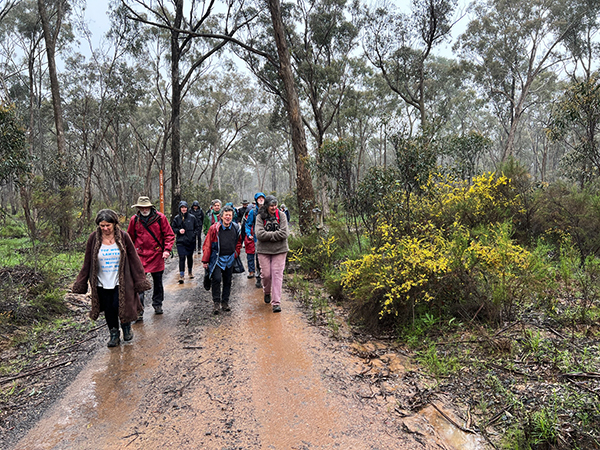
Next Sunday’s walk led by Barb Guerin and Lionel Jenkins will be in the Metcalfe Nature Reserve. This is about 20 km east of Castlemaine. The walk will be approximately 7 km. If you would prefer to join the group closer to the start of the walk meet at the Metcalfe Hall on the Kyneton-Metcalfe Road, near the corner of Wilsons Road) at 9.45. For further information ring Barb and Lionel on 5472 1994.

Posted in Walks | 2 Comments

FOBIF’s walks guide: an update!

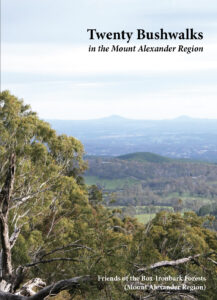
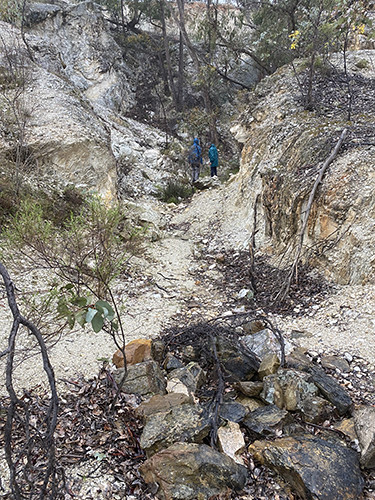
Parks Victoria is currently undertaking landscaping works around the Garfield Wheel in the Castlemaine Diggings NHP. These have changed the nature of the signage in the area, and therefore affect the directions we have given for Walk 8 in our book, 20 walks in the Mount Alexander region.

New landscaping around the Garfield Wheel foundations: though unfinished, they’re already an improvement to the precinct…and will be even better if they eliminate weeds in the area.

As at August 7, the directions to proceed from the wheel towards the Welsh Village in this walk are as follows: take your bearings from the Goldfields Track sign (pictured). Walk forward (direction Castlemaine) about a hundred metres to the yellow topped walk post. Disregard it, and take the track about 10 metres to its right, currently marked by dark posts, with no signage. This is the Dirty Dicks track. It takes you past various mining works, and is marked by grey posts.

As the works around the wheel and on Dirty Dick’s track are completed, we are assuming that this track away from the wheel will be more clearly signposted.

The works around the Wheel are part of a project to improve access to the Welsh Village. So far, they’re looking good. We have hopes that before they’re finished, Parks will have eliminated the Bridal Creeper infestations in the precinct.

Posted in News | Comments Off on FOBIF’s walks guide: an update!

Roadside riddles

Mount Alexander shire conducted three poorly advertised consultation sessions through June and July on its draft Roadside fuel and bushfire risk strategy.

The draft document can be found online here

The draft, prepared by Fire Risk Consultants, proposes ‘treatment’ of roadsides to reduce bushfire risk. ‘Treatment’ includes slashing, burning, grazing, and ‘dangerous tree mitigation’.

Local roadside. It’s more likely to be hit by a cigarette butt than a lightning strike. Respecting the biodiversity values of roadsides while managing them as fire risks is a challenge. And the fire risk can’t be managed without serious attention to human behaviour. 

Importantly, we read on page 4 of the draft that ‘This report only deals with the part of the project related to bushfire risk in the local area and the assessments. A separate study on ecological values on the target roadsides and identification of values to be protected has been undertaken as a separate piece of work.’

The ecological study will be used in conjunction with the risk document to govern Shire policy on roadsides. And therein lies the challenge: the risk draft identifies ‘surface fine fuels’ as a fire danger. As we know, these can also be considered as essential to ecological health. Balancing these two judgments has never seemed to be easy.

One peculiarity of the  draft: on page 8 we read, ‘A variety of causes can ignite a bushfire: some bushfires result from events that are natural, such as lightning, while others result from human activity.’

Get it? ‘Some’ fires are natural; ‘others’ are the result of ‘human activity’. Maybe we’re sensitive, but this bland statement seems to radically downplay the ‘human activity’ side of the problem.

Here’s a bald fact: repeated analyses have shown that about 6% of fires are ‘natural’. The rest—over 90% —  are the result of human carelessness, accident or criminality. Tossed cigarette butts alone account for about 7% of fires! Try googling ‘cigarettes and fire’, and you’ll quickly enter a chamber of horrors.

Any policy dealing with roadsides should have these facts firmly in mind. Ignoring them, or downplaying them, might look like carelessness.

Posted in Fire Management, News | Comments Off on Roadside riddles

State of the environment: I don’t need to change, do I?

Australia’s State of the Environment report 2021 was belatedly released last week. The report’s grim findings have been widely publicised, and we won’t repeat what will be already widely known. It’s worth pointing out, however, that the report is peppered with words and phrases emphasising the need for ‘greater community awareness’, to ‘rethink’, ‘redesign’, ‘be more conscious’, ‘to build better, greener, more resilient’. This is in line with virtually every other Enviro report we’ve seen: the need to change the way we live is pretty basic. Maybe that’s why such reports are political dynamite.  Everyone wants a better environment. How many want the changes necessary to bring that about?

An example of ‘disregard’ for environmental values? Gazanias for sale: ‘Gazania (Gazania linearis) is regarded as an environmental weed in Victoria, Tasmania and South Australia and as an emerging or potential environmental weed in parts of Western Australia and New South Wales. This species invades coastal habitats, as well as grasslands and open woodlands in inland areas. It can severely alter the vegetation structure in plant communities by replacing and suppressing native plants.’ –Lucid Central.

Coincidentally, the North Central Catchment Management Authority has released its Regional Catchment strategy 2021-27. This document contains the following blunt statement: ‘A general lack of understanding or regard for legislation designed to protect biodiversity, as well as cultural heritage,  has been identified as a concern across the region’(our emphasis).

How can this ‘general lack of understanding or regard’ be changed? This strategy underlines the importance of engagement with ‘Rural landholders, associated community-based NRM groups, volunteers and the broader community…government, non-government, industry and research organisations’ (our emphasis), but isn’t very specific about how this engagement might happen.

On this one, we have a modest idea: more Park Rangers circulating in our protected areas, engaging face to face with holiday makers and travellers, cheerfully and passionately promoting the values of biodiversity? Oh, that would cost money…Maybe a reduction in the number of moronic TV campaigns promoting silly and destructive attitudes to the environment? That would be cheap.

Posted in News | Comments Off on State of the environment: I don’t need to change, do I?