Oops! FOBIF melts in the heat

Sorry folks: at some point in the production of the newsletter posted to members this week our walks program became scrambled. The details of the April and May walks became inextricably mixed up, making for an interesting geographical challenge to anyone trying to make sense of the routes in question.

Our apologies to readers and to the relevant walk leaders. The correct version of the program can be found under the walks heading on this site. We suggest for those who use a paper program that they print off this corrected version.

Posted in News | Comments Off on Oops! FOBIF melts in the heat

Christmas wishes

The FOBIF committee wishes all friends of our forests a happy Christmas and a great new year. Our 2018 walks program will soon be available. We’ll see you in the bush in the new year!

And on a sadder note: it’s farewell to the Castlemaine [Windarring] Copy Centre, closing for good tomorrow. The Centre has been giving FOBIF — and the community– efficient and cheerful service for many years. We wish the staff well in their new roles.

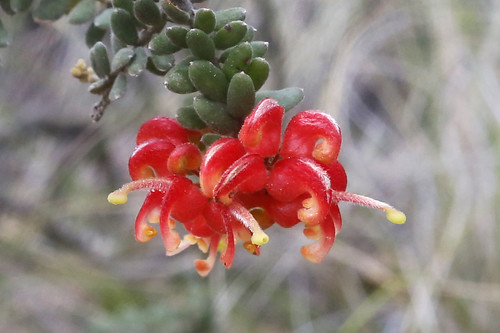
A Christmas hero: this Mitchell’s Wattle blooms in the middle of the Fryers Ridge Road, December 2017


Posted in News | 2 Comments

Fuel for thought on fire

Fuel reduction burning is necessary, but not enough: that’s the conclusion of Tasmanian research released last Friday.

The research, by the University of Tasmania, found that it would take an impossible amount of burning to reduce the impact of major bushfires, and that the best approach to the bushfire menace is more strategic approaches to fuel reduction and fire prevention, and a better approach to landscape and housing design.

The research methodology and its findings can be found here.

The findings add weight to longstanding arguments that putting all your eggs in the fuel reduction basket, and burning huge areas of bushland, will not achieve the required safety outcomes: ‘area-based prescribed-burning targets have little value without some sort of strategic implementation or risk-reduction framework.’

Professor David Bowman, co-leader of the research project, told Guardian Australia that governments and fire authorities needed to consider taking a more local approach, and introduce on the outskirts of towns and cities clever landscape designs that included irrigation and green fire breaks in the form of parklands, that could work in conjunction with burn-offs to help mitigate bushfire risks.

He acknowledged it could be expensive to introduce landscape designs to help counter bushfires, but argued they were a necessary cost for state and local governments.

“If we think about earthquakes you don’t hear people complaining, certainly in New Zealand, about the cost of a house that’s going to survive an earthquake,” Bowman said. “Yet…surely having fire-safe communities is a good investment.”

While less fire prone than Victoria, Tasmania has had some terrifying bushfire experiences, and climate change is making the state more fire prone. Many of the recommendations in this latest research echo what conservationists have been saying for years. For example, ‘this research demonstrates the need to investigate new fuel-treatment techniques, such as spatio-temporal patterns of prescribed burning designed to create fine-scale fuel mosaics, or general alternatives to prescribed burning such as mechanical thinning.’

Smaller, more targeted treatments, and a variety of methods: all good ideas, which suffer from one important problem: they’re more expensive than simply torching lots of bush to make people feel something is being done. As we’ve reported before, land management on the cheap is one of the biggest obstacles to achieving safer, better bushlands.

Posted in Fire Management, News | Comments Off on Fuel for thought on fire

Remarkable local photos

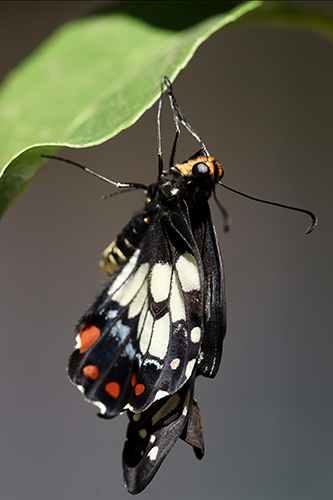
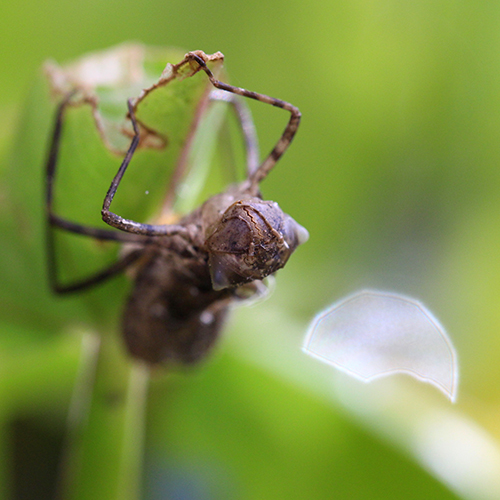
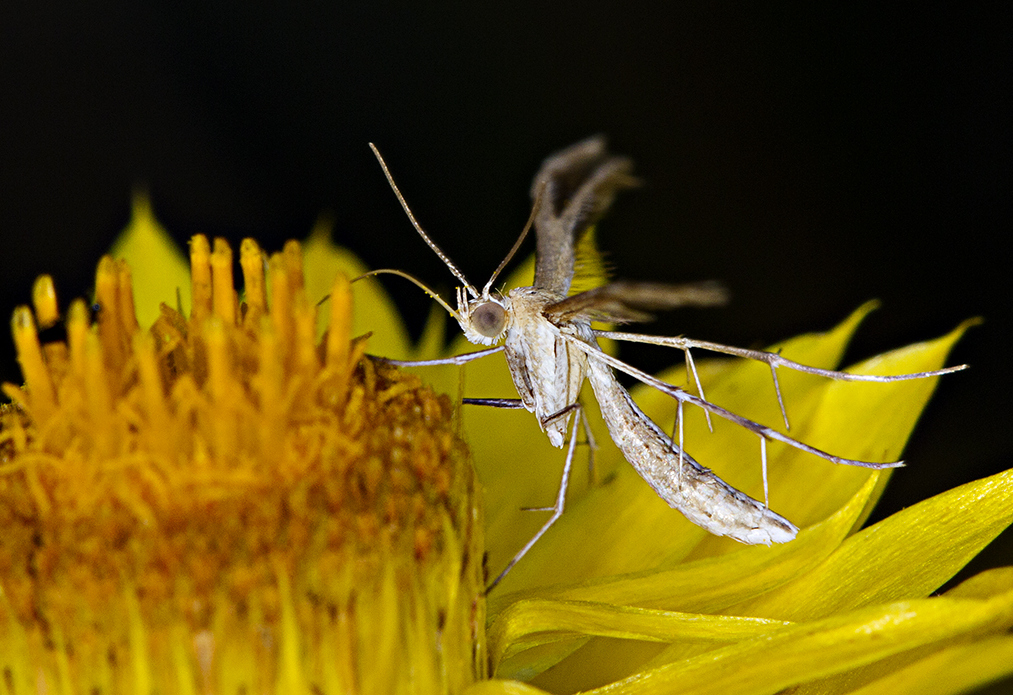
Patrick Kavanagh’s upcoming photo exhibition, Small World – Visions from Another Dimension, will interest macro photographers and nature enthusiasts. The two photos here are examples of the extraordinary detail and fascinating subject matter of his images, all taken at his home in Strangways. Patrick has generously contributed his photos to our FOBIF exhibitions over the last decade.

Patrick writes: ‘There is another world hidden from our unaided senses. A world of strange and wonderful animals – some could be from another planet, some are insects but look like sea shells. The damage inflicted by a caterpillar on a eucalypt leaf looks like a Renaissance window. A piece of abstract art turns out to be the wing of a moth. A tiny world, on a scale of millimetres, best seen through a macrophotographer’s lens.’

The exhibition “Small World – Visions from Another Dimension” will be on at Dig Café, Newstead from Wednesday December 20th until late January.

Long-nosed Weevil

Moth Stack

Posted in Photo Exhibitions | Comments Off on Remarkable local photos

Workshops for nature photographers

Alison Pouloit

Alison Pouliot is running workshops and seminars on natural history photography covering various environmental themes this summer.

31 January 2018 – Snake Valley – The science and art of nature photography
9 February 2018 – Otway Ranges – A murder of crows
18 March 2018 – Lockwood South – Focus on trees
24 March 2018 – Trentham – Through a forest wilderness
31 March 2018 – Trentham – Fungi in Focus

For more information and bookings see  www.alisonpouliot.com

Two of Alison’s images


Posted in News | Comments Off on Workshops for nature photographers