Acknowledgement of Country
Friends of the Box Ironbark Forests would like to acknowledge the Elders of the Dja Dja Wurrung community and their forebears as the Traditional Owners of Country in the Mount Alexander Region. We recognise that the Dja Dja Wurrung people have been custodians of this land for many centuries and have performed age old ceremonies of celebration, initiation and renewal on their land. We acknowledge their living culture and their unique role in the life of this region.
Get social with fobif…


-
Recent posts
- Comeback 6 September, 2026
- Interesting discussion; available online and in person, 6pm 21/9/2026. 2 September, 2026
- Report on Kalimna walk Sunday 16th August 17 August, 2026
- Walk and plant identification session – this Sunday 16th August at Kalimna Park 10 August, 2026
- Second report on the Tarilta Creek walk, 21 July 2026 27 July, 2026
-
-

-
-
Categories
Category Archives: Nature Observations
The sounds of spring, part 1
Each spring a variety of birds migrate back into the area for breeding. Hence the forests become alive with the calls of these species that haven’t been heard in the area for quite a while. This post introduces you to … Continue reading
Posted in Nature Observations, News
Comments Off on The sounds of spring, part 1
Buff-banded Rail in Marie and John’s yard
This Buff-banded Rail, Gallirallus philippensis stayed in Marie Jones and John Ellis’ house yard for two days and enjoyed the easy food pickings. With no cats it didn’t have too much to worry about. This is the first time they have … Continue reading
Posted in Nature Observations, News
Comments Off on Buff-banded Rail in Marie and John’s yard
Small birds, part 4
Other common birds you are likely to see in the forests include the Silvereye Zosterops lateralis which frequents a range of habitats from town gardens to open forest. They often move about in flocks searching for food. A bird that … Continue reading
Posted in Nature Observations, News
Comments Off on Small birds, part 4
Moss: Examining the detail
Fifteen people took part in a fascinating moss field day at Clinkers Hill Bushland Reserve on 27 August. This was part of the Moss and Liverwort project that is working on producing a brochure about local mosses and liverworts. The group … Continue reading
Small birds, part 3
The more noisy and active of the birds are the Honeyeaters, often flying rapidly between trees, calling loudly and chasing one another. The Red Wattlebird Anthochaera carunculatais is the largest and most aggressive, chasing all comers away. Please upgrade your … Continue reading
Posted in Nature Observations, News
Comments Off on Small birds, part 3
 Click on image for info/order page
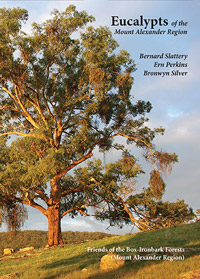 Click on image for info/order page
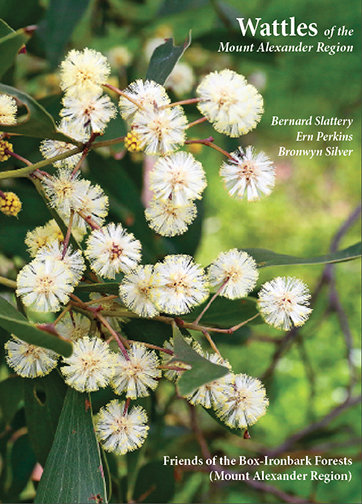 Click on image for info/order page