The Victorian Goldfields World Heritage bid team regularly updates details of the bid and its international contacts, and invites local responses to the idea of World Heritage for the goldfields. FOBIF has responded with a request to meet with the team, with the letter below:
Thank you for the opportunity to engage with you on the subject of World Heritage. We are not opposed to this project, but do have serious concerns about what it might mean.
We would appreciate the chance to discuss with you the issues outlined below, to do with the reality of the gold rushes, and the manner in which they are presented today:
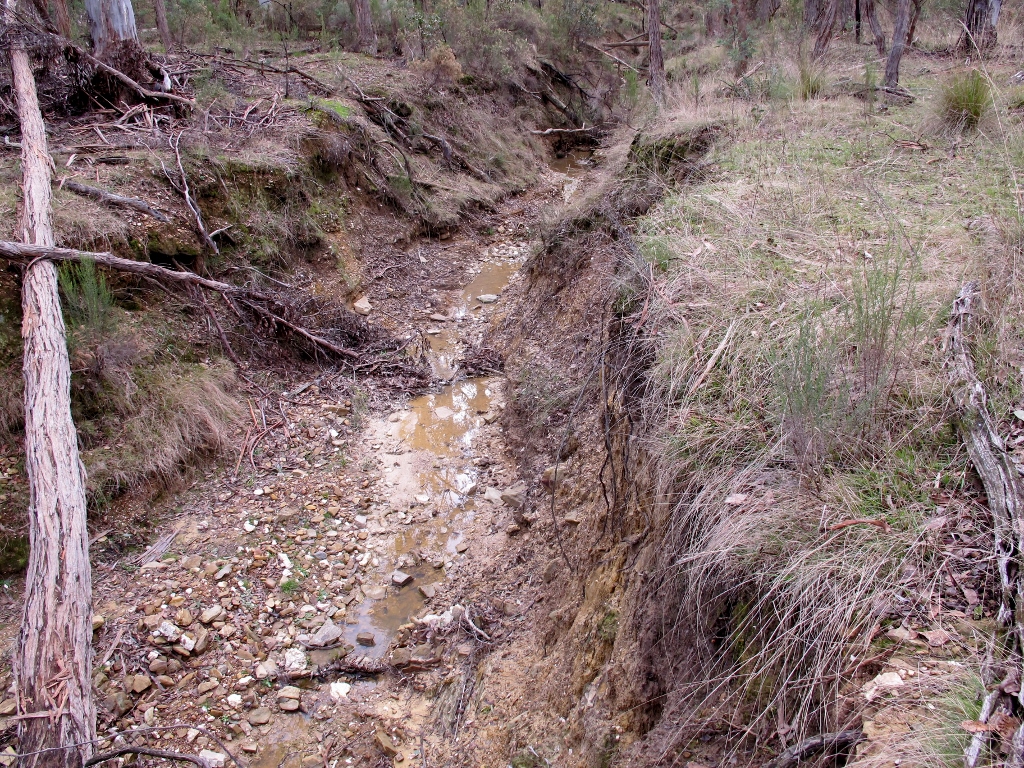
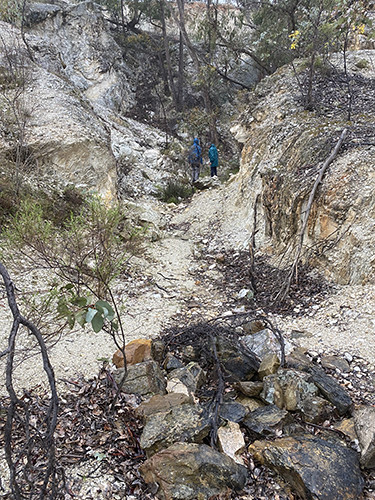
Brown’s Gully: a world heritage destroyed waterway?
Three major transformations happened with the discovery of gold in Central Victoria. They’re interlinked, and can’t be separated:
- Massive immigration largely caused by the gold rush created a completely new society, with all its virtues and defects.
- The natural environment was almost completely trashed, with every waterway degraded, and natural vegetation stripped from the landscape.
- The destruction of indigenous culture and society was dramatically advanced: already weakened by disease and violent dispossession, Aborigines now saw their country almost eradicated.
Any serious effort to appreciate what happened in the 19th century should deal honestly with all these questions. Unfortunately, discussion of ‘heritage’ is usually anchored in this Macquarie definition of the word: ‘the culture, traditions and natural assets preserved from one generation to the other.’ In other words, it’s stuff we want to remember, not the stuff we’d rather not take responsibility for.
So the ‘heritage’ we have in the goldfields is often seen as…gold, the people who worked for it and the nice buildings it created. It seems that mainstream Australian society has difficulty accepting that the wreckage of our environment and that of Indigenous culture are part of that heritage. So in heritage discussions these two indisputable realities of our history are usually treated as sideshows to the main event.
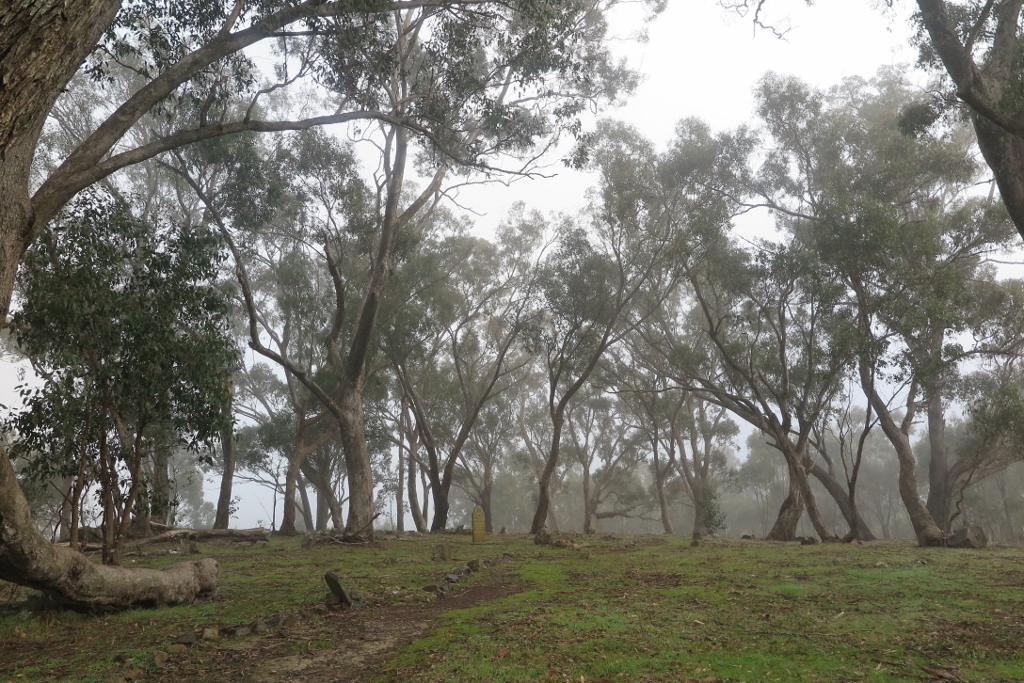
Pennyweight Flat childrens cemetery: goldfields landscapes are paradoxical: celebrated for gold, haunted by a sense of loss.
This neglect can reach pretty crass levels. Consider the National Heritage declaration of the Castlemaine Diggings National Heritage Park. As evidence of ‘outstanding heritage value to the nation because of the place’s importance in the course, or pattern, of Australia’s natural or cultural history’, we get this explanation:
‘The goldfield, which played a major role in drawing overseas immigrants to the colony, and in raising from the ground so much of the golden wealth which flowed into Australian and overseas markets, played a substantial part in all those changes which gold wrought on Victoria and Australia: increased population, increased wealth, the growth in manufacturing, the improvement in transport, the development of regional centres and townships, the further development of a middle class, democratization of political institutions, reform of land laws, the genesis of an Australian Chinese community, and so forth…’
The absence of reference to environmental damage, and the effect on Indigenous life is striking.
*******************
There have been two Heritage Action plans produced for the Castlemaine Diggings National Heritage Park: the first in 2002, and the second in 2017. This last has been inexplicably kept under wraps by Parks Victoria.
How do these documents deal with FACT 2 and FACT 3 above?
The 2002 Heritage Action Plan explicitly set questions to do with Aboriginal Heritage aside—not as a dismissal, but as a major separate project. The Plan did, however, draw attention to environmental damage, and made the point that the local bushland could be presented in a way that ‘highlights the transience of mining, demonstrates the severe environmental impact that can result from inadequate environmental constraint, and illustrates some of the resilience of Australia’s native vegetation.’ (page 29)
The above points, we hope, are not tangential to a World Heritage bid. After all, anyone who ventures into our Diggings Park—or even the environs of Hepburn Springs— will be instantly struck by the eroded gullies which scar our landscapes, remnants of ruined streams. These are ruined landscapes, and any World Heritage bid should present them as such—not as romantic signs of a golden age.
We would be happy to meet with you to discuss these matters at a mutually convenient time.


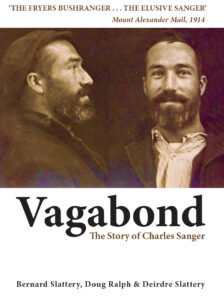
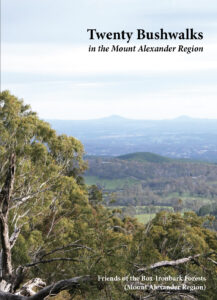
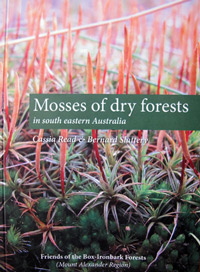 Click on image for info/order page
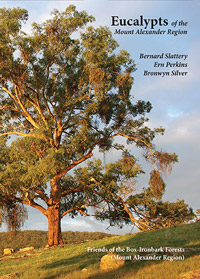 Click on image for info/order page
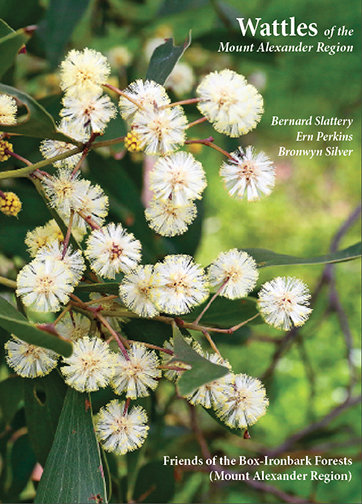 Click on image for info/order page