How it really is

Landscape photography can be a problem. It can have a tendency to prettify nature—the ‘chocolate box’ effect, the one seen too often on calendars; or it can be tempted to ‘disaster chic’, with an emphasis on ruins and devastation.

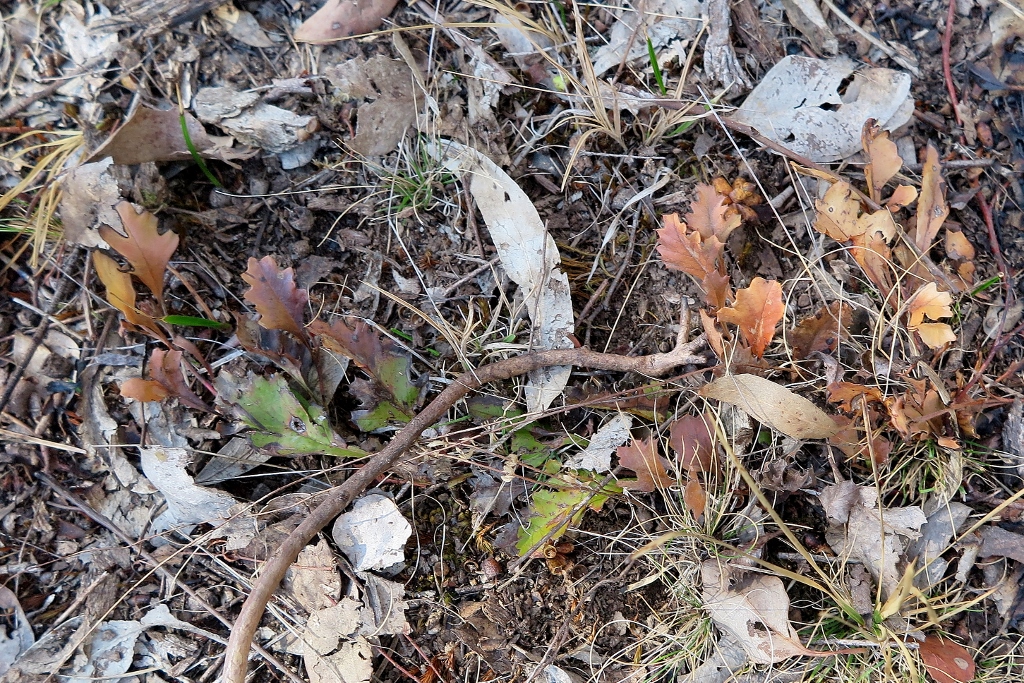
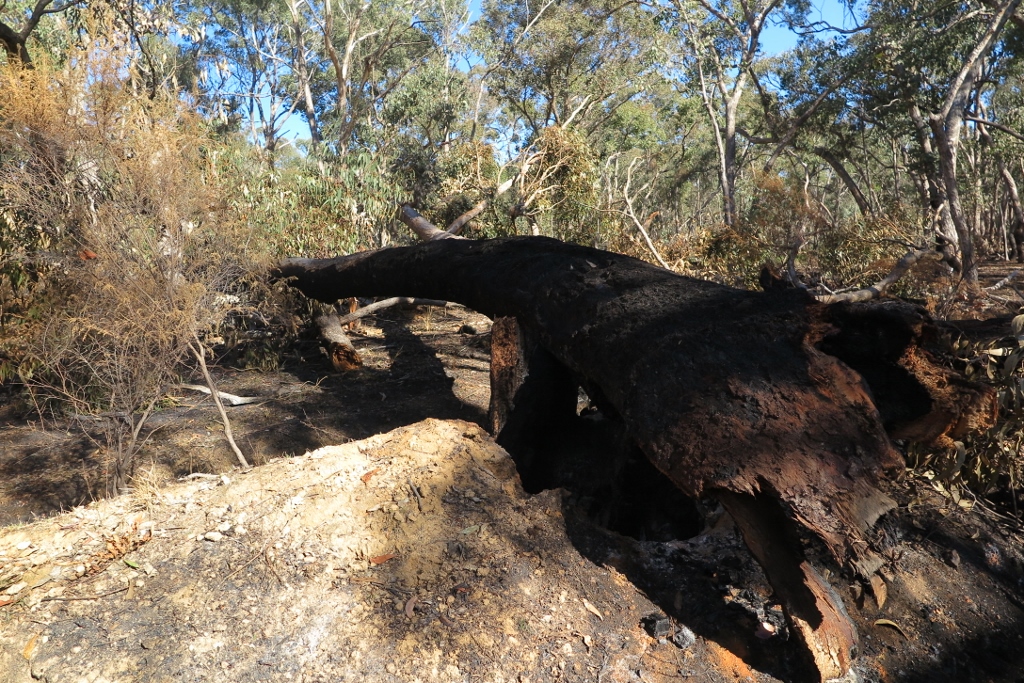
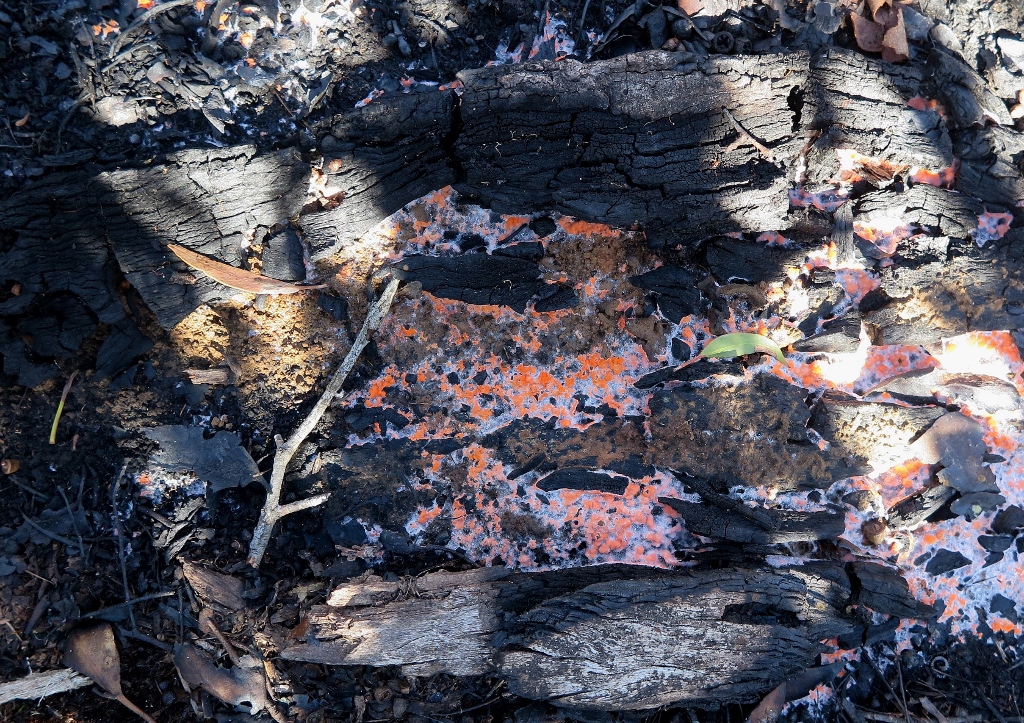
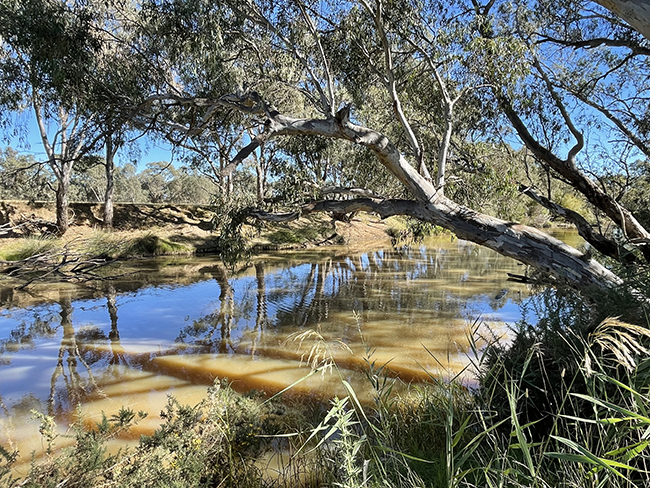
The goldfields offer pitfalls in both these directions, but Julie Millowick’s current exhibition, Surrounding, avoids both. In so doing, it offers a compelling and powerful insight into our region. Without trying for epic scenes, she presents the beauty of this ‘strangely poignant’ landscape ‘in tumult and recovery’. The photos show the ‘devastating  effects of mining and invasive plants, but also remind us of the interconnectedness that links all parts of this landscape, including its human occupants.’

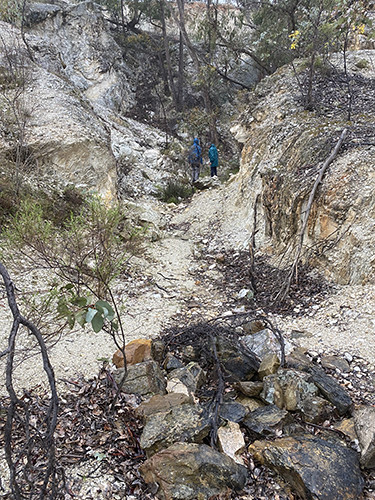
Clothes hanging on a line, decaying walls, light filtering through trees, scatterings of Cassinia seeds, vegetation colonising mining sites, a small boy standing on a mullock heap, rainsoaked bush…There’s an unpredictable variety in these photos, but every one compels a close look. The poet Les Murray once referred to ‘the commonplace and magnificent roads of our lives.’ Somehow these pictures recall that phrase.

This exhibition captures the real spirit of the goldfields–ruin, abandonment, redemption–and the affection that can be felt for these astonishing landscapes. It’s to be hoped that the proponents of World Heritage listing for our region will come along for a good look.

The exhibition is at the Castlemaine Gallery [open Thursday to Saturday  11 am to 4 pm, Sunday 12 noon to 4 pm] till June 16. Don’t miss it.

Posted in News | Comments Off on How it really is

2024 Walks and FOBIF subscriptions

FOBIF subscriptions for 2024 are now due. If you haven’t received information in the mail or would like to become a new member you can find the form here. Members who haven’t changed their details can skip filling out the form and deposit their subscription in the FOBIF bank account (include your surname/s). 

Our 2024 walks program is now online and you can read our latest newsletter here.

Posted in News | Comments Off on 2024 Walks and FOBIF subscriptions

An open letter on western forests

Over 70 Victorian conservation groups, including FOBIF, signed an open letter to Victorian Premier, Jacinta Allen, late last year, urging better management of Central West forests. The letter was initiated by the VNPA and Wombat Forestcare, and reads as follows:

Congratulations on your recent appointment to Premier.

We celebrated the Victorian Government’s 2021 public commitment to create new protected areas. We applauded the decision to end native forest logging in the east of Victoria by 1 January 2024. In doing so your government acknowledged the incredible natural diversity and cultural importance of these areas.

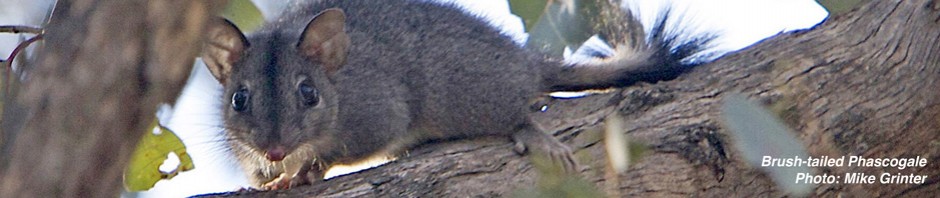
Yet VicForests has plans to log over 60,000 hectares in the fragmented and cleared landscape of the west. If your agencies continue to log this habitat, plants and animals like Powerful Owls, Brush-tailed Phascogales and Mt Cole Grevillea risk becoming locally extinct.

It’s now time to demonstrate leadership by permanently protecting the surviving wildlife, forests and woodlands of western Victoria. It’s time to look after the complex web of natural life in these forests and restore what we have left. We call on you to immediately:

  • Halt the taxpayer-funded destruction of our natural heritage and end native forest logging statewide.
  • Legislate the promised Wombat-Lerderderg, Mount Buangor and Pyrenees national parks.
  • Cease all firewood harvesting in Wellsford Forest and include it in the Greater Bendigo National Park.
  • Enact formal protections promised for the nature-rich Cobaw Conservation Park, and other regional parks and conservation reserves.

This is a rare opportunity to create a profound legacy for future generations and:

  • Provide vital habitat for over 370 rare and threatened animals and plants.
  • Support First Nations joint management of new parks.
  • Help reduce the impacts of climate disruption by trapping millions of tonnes of stored carbon.
  • Support rural and regional livelihoods through visitation and nature-based tourism.
  • Protect river headwaters that flow from these forests to create water security for farms and communities.
  • Help forestry workers to transfer their skills to nature-positive jobs.

Creating new national parks and phasing out destructive native forest logging isn’t only about protecting wildlife and beautiful places. It’s about clean air and water, a liveable climate and people’s livelihoods.

Posted in News | Comments Off on An open letter on western forests

Fire riddles…

FOBIF has questioned fire officers about their management of a parcel of land at the junction of Irishtown and Hunter’s Tracks in the Fryers forest.

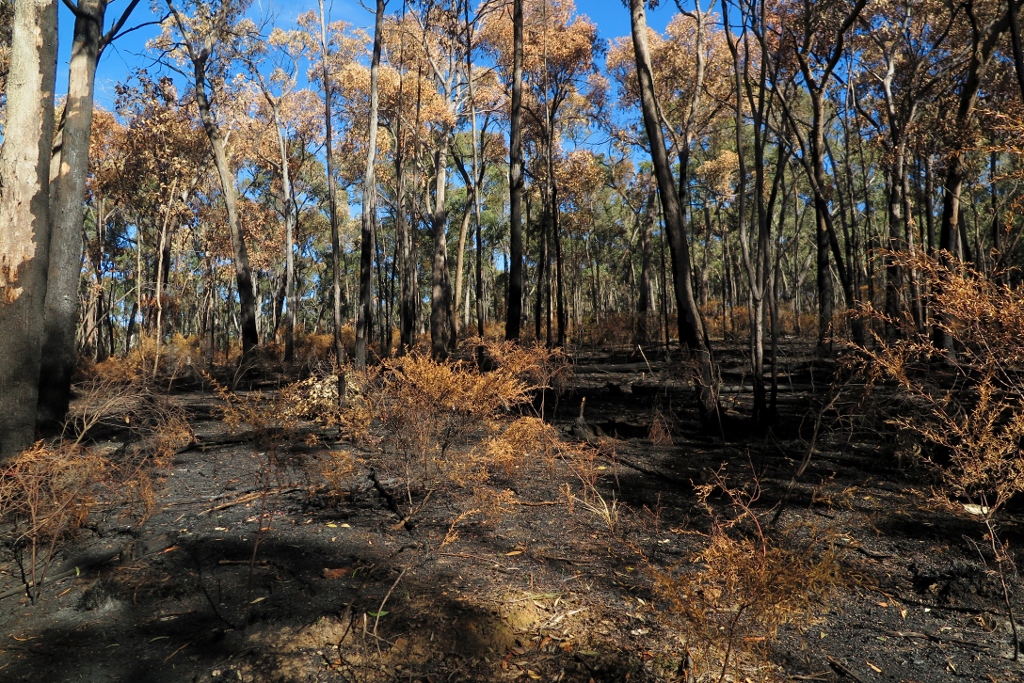
The 17 hectare zone has been carved into several smaller zones by brutal gouging of mineral earth breaks. Two of these zones have been quite savagely burned: many trees, including big ones, have been destroyed, and canopy scorch, indicating probable death, affects about half the trees in the zones.

The zone before the fire…

DEECA has informed us that this exercise was conducted ‘for training purposes only’, and that other sections in the zone will be burned for the same reason over some years.

‘Training’ fires, as we understand them, are lit to teach fire officers to investigate aspects of fire behaviour, including how a fire might have been ignited. They are obviously useful exercises for all sorts of reasons…

…and after. Many trees felled, many more canopy scorched, whose survival is in doubt.

But is it necessary to destroy the bush in order to achieve their purposes?

Interestingly, the zone in question is not listed as ‘training’ or ‘fire investigation’ in the Joint Fuel Management Plan released for consultation some months ago. In that document it appears as a ‘Landscape Management Zone,’ the intention of which is ‘To provide bushfire protection by reducing overall fuel hazard and bushfire hazard in the landscape.’ LMZ is the mildest of DEECA’s fuel management strategies. What we’ve seen at Hunter’s Track is almost bushfire intensity.

Here’s another thought: the photo below shows a sawn off stump, sprouting already in the middle of an earth break. As well as being cute, it’s a sign of hope: The bush is tenacious.

Resprouting eucalypt, Hunters track. It’s a sign of regeneration–but what kind of regeneration?

On the other hand, it poses a question: when the bush is burned severely, it regenerates profusely, creating a greater fuel hazard than existed before. DEECA acknowledges this. As an example: a zone on the other side of Hunter’s track, which had been burned some years ago, is now head high in flammable Cassinia.

And a further question: other exercises we have monitored, like Wewak Track, have shown riotous growth of some species–but the effect on the biology of the area generally is only patchily known. That is an unsettling thought.

We’ve requested an on site meeting with fire officers.

Posted in News | 3 Comments

Reminder: FOBIF breakup 11 December

All members and supporters are welcome at the FOBIF breakup in Walmer starting at 6pm on Monday 11 December. You can find out all about it here.

Posted in News | Comments Off on Reminder: FOBIF breakup 11 December