Buff-banded Rail in Marie and John’s yard

This Buff-banded RailGallirallus philippensis stayed in Marie Jones and John Ellis’ house yard for two days and enjoyed the easy food pickings. With no cats it didn’t have too much to worry about. This is the first time they have seen a Rail. Chris Timewell saw another one near Wheeler Street bridge (CFNC newsletter, August 2001).


Posted in Nature Observations, News | Comments Off on Buff-banded Rail in Marie and John’s yard

Moss Identification Field Day

The next Moss Identification Field Day is on Saturday 8 October at 10 am. The group will be meeting at Clinkers Hill Bushland Reserve. Bring hand lenses and record books. If you would like to find out more about this project, ring Beth Mellick on 5472 1316.


Posted in Moss and Liverwort Field Guide group, News | Comments Off on Moss Identification Field Day

Moss and liverwort field guide

To assist in the identification of mosses for the proposed field guide, scanned diagrams can be downloaded here.

If you are interested in joining the Moss and Liverwort Field Guide group, ring Beth Mellick on 5472 1316.

Posted in Moss and Liverwort Field Guide group, News | Comments Off on Moss and liverwort field guide

Small birds, part 4

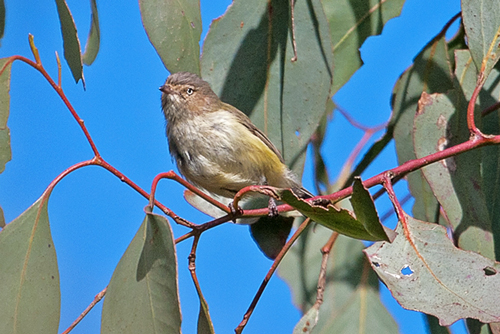
Other common birds you are likely to see in the forests include the Silvereye Zosterops lateralis which frequents a range of habitats from town gardens to open forest. They often move about in flocks searching for food.

Silvereye, Castlemaine. Photo by Damian Kelly, 22 July 2011

A bird that is hard to identify, but is common wherever there are flowering eucalypts is the Musk Lorikeet Glossopsitta concinna. Often to be seen hanging from foliage as it searches for nectar amongst the trees.

Musk Lorikeet. Bells’ Swamp. Photo by Damian Kelly, 28 July 2011

Posted in Nature Observations, News | Comments Off on Small birds, part 4

What price gold in a recovering landscape? And what price the Prospector’s and Miners’ Code of Conduct?

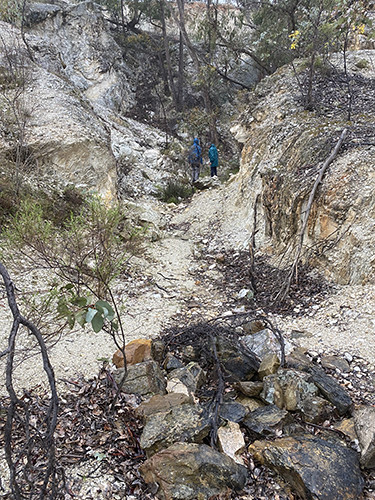
When walking along Forest Creek recently we came across a series of freshly dug holes that varied in shape and size.  Ones made by the hungry echidna (see below) were a delight to see as it meant that the rehabilitation work being done in this area was making this a healthier place for it to live.

August 2011, Photo by John Ellis

The other holes (see below) made by people who had heard about the increased price in gold made a mockery of a landscape in the process of recovering from previous gold diggings.  Prospectors should have a license and follow the Code Of Practice that requires holes to be filled in.  It would be even better if they dug up a gorse bush rather than a dianella!

August 2011, Photo by John Ellis


Posted in News | Comments Off on What price gold in a recovering landscape? And what price the Prospector’s and Miners’ Code of Conduct?