Our regular Walks program continued this year with the familiar diversity and interesting foci that FOBIF walks are known for.
- Euan Moore capably lead the final walk in 2024 near Crusoe Reservoir, Big Hill that gave us a great view back to Castlemaine.
- After a long dry summer, the first walk this year in March, lead by Francis Cincotta, saw the bush soak up the cool air and gentle rain on a 5 km circuit at Fryers Ridge Nature Conservation reserve.
- The Loddon River near Baringhup was the next walk with guest leader, Barry Golding, who shared local stories of geology, history and Indigenous culture. Thanks as well to the local farmers, Kerrie and Rob Jennings, who keenly supported the walk.
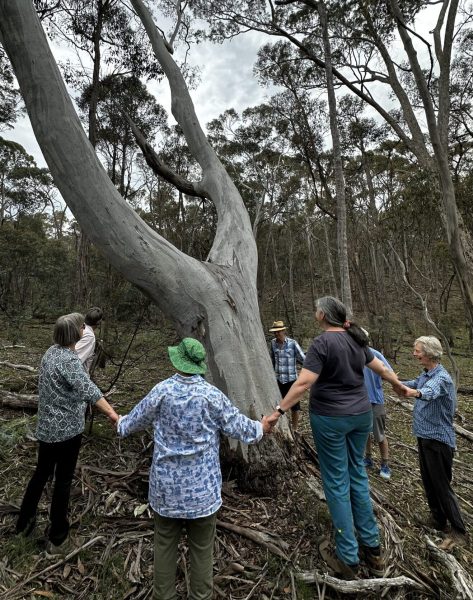
- On a cold, windy May day in Maldon, we walked and gazed in wonder at pre-1852 eucalypts scattered through Maldon. Thanks, Bev Phillips of Maldon Urban Landcare, for sharing informative and interesting talks about these trees and the work done by this group to protect them.
- With the arrival of winter, the annual FOBIF ‘Long Walk’ in June revealed some of the Leanganook’s hidden gems in thick winter mist, ably lead by Jeremy Holland. On the same day, an exploration of mosses in a gully in Chewton involved a lot of bending, creeping and crouching to get the right observations, guided by Cassia Read and Bernard Slattery.
- In July, Stephen Charman, shared information from his extensive historical research, of a section of the Coliban Main Channel at Malmsbury. A snapshot of how water was moved around in this dry region dating back to gold rush era of the 1800’s.
- Then in August, a misty, late winter mood descended on Mt Tarrengower for the walk off track that meandered up the north-western flank of the Mount. A diversity of flora and granite features were encountered, including some beautiful moss covered rock wells.
- A feast of ecological delights in Kalimna Park were identified by Karl Just on the September walk. Lots of interest and appreciation of the biodiversity of this Park was apparent.
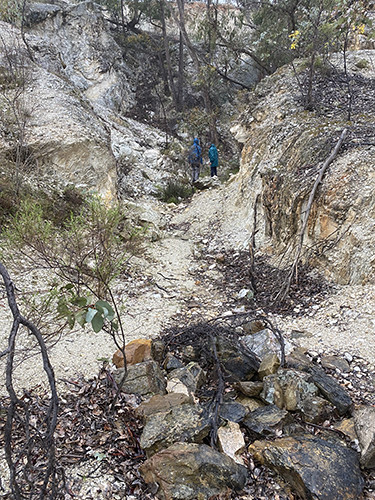
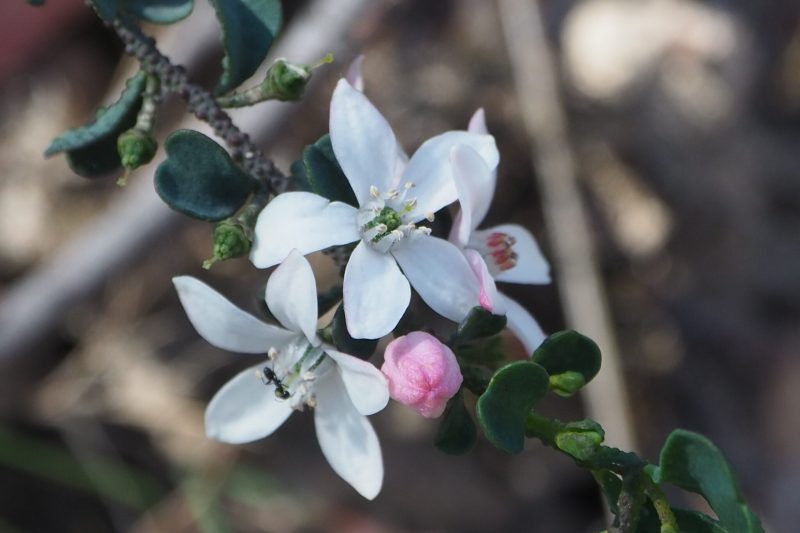
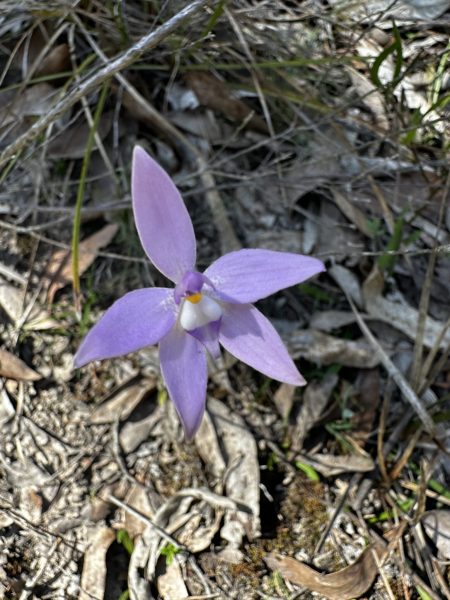
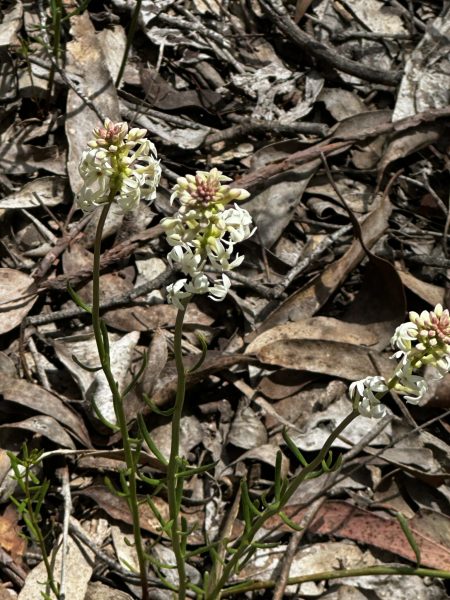
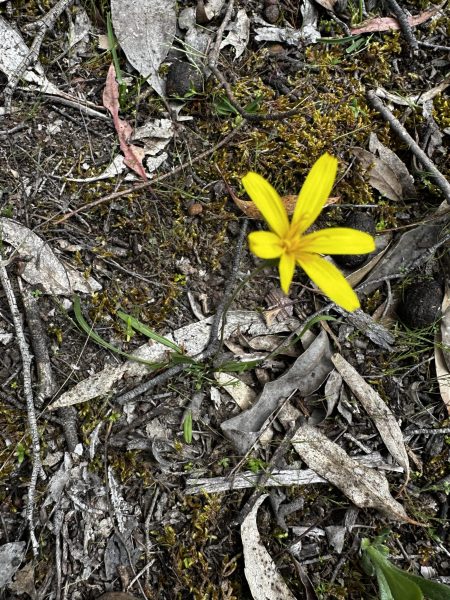
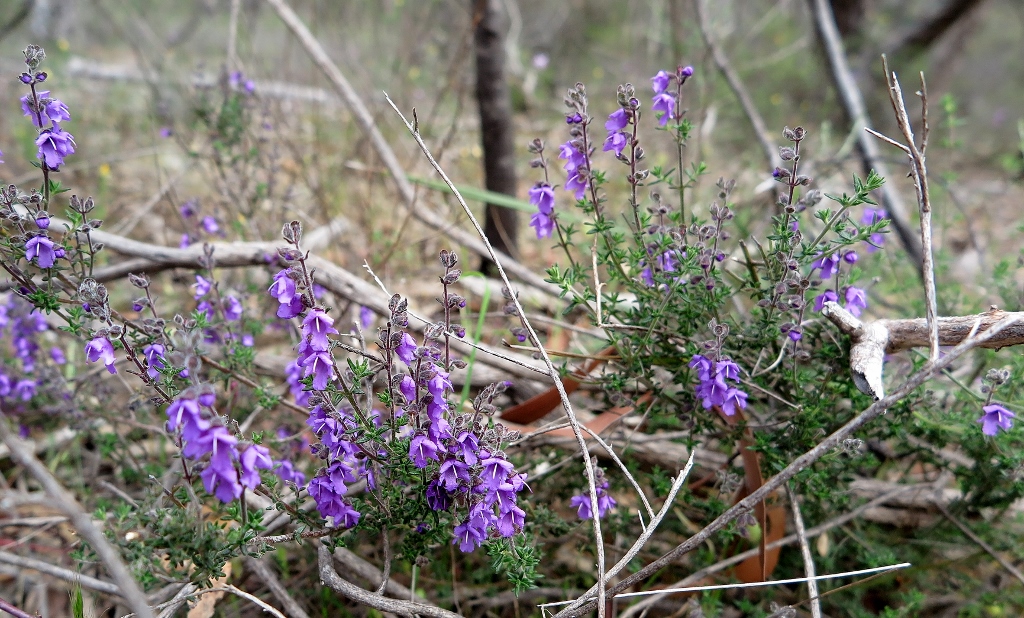
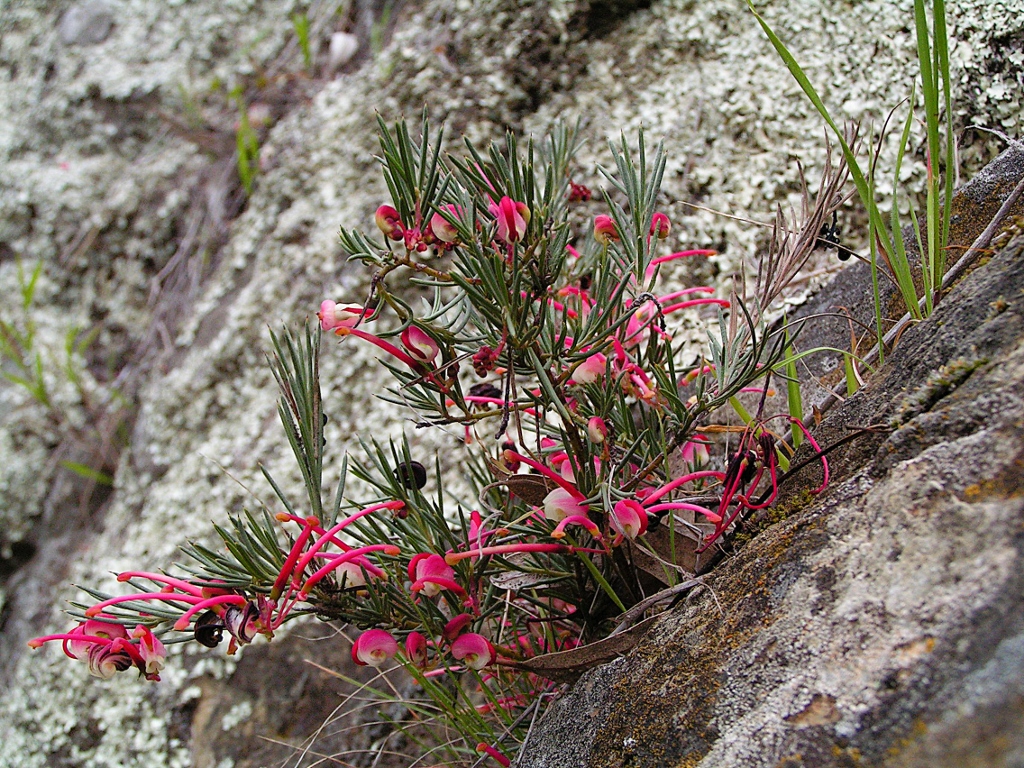
- The final walk in October lead by Christine Henderson, occurred in the Fryers Ranges near Dearden Creek. Despite the dry conditions of this year, walkers were treated to some lovely displays of wildflowers and subtle signs of some orchids.
Thanks goes to Bronwyn Silver, for organising the 2025 walks program and for doing a thorough and well supported handover to our new walks coordinator, Gen Blades, assisted by Lisa Hall. The walks cannot occur without the support of the walk leaders who so generously share their expertise and knowledge
Many thanks to Gen and Lisa in facilitating the walks this year and to the various leaders for their care and attention to planning and executing very interesting and enjoyable walks.
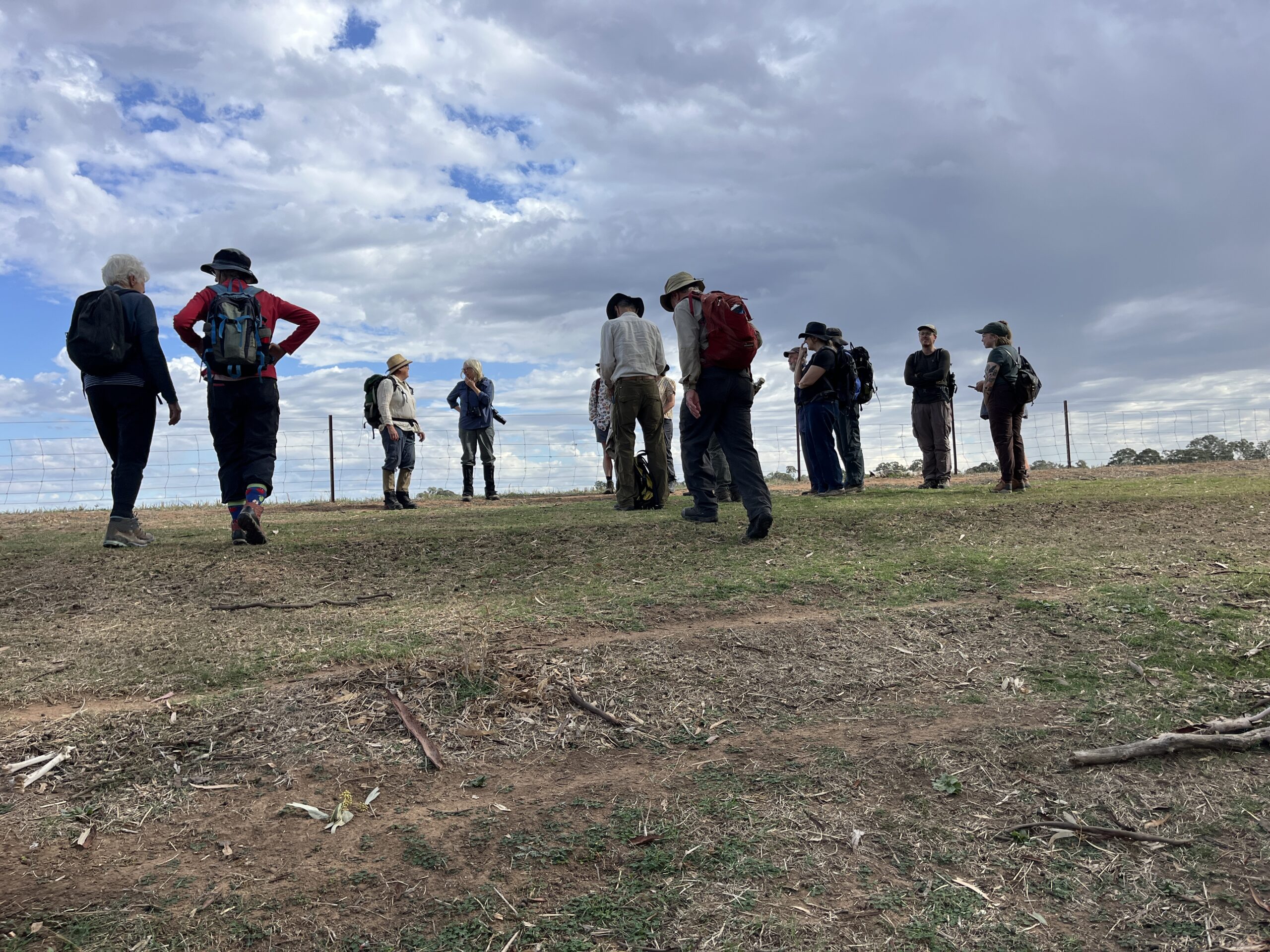
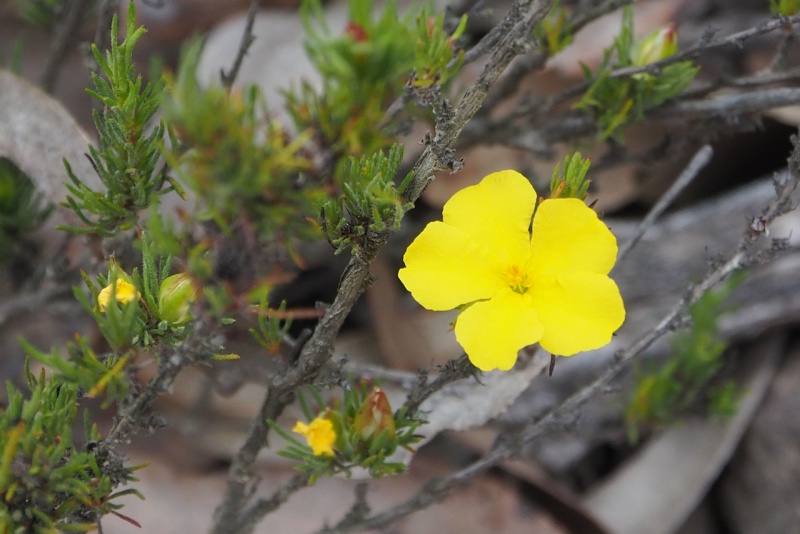
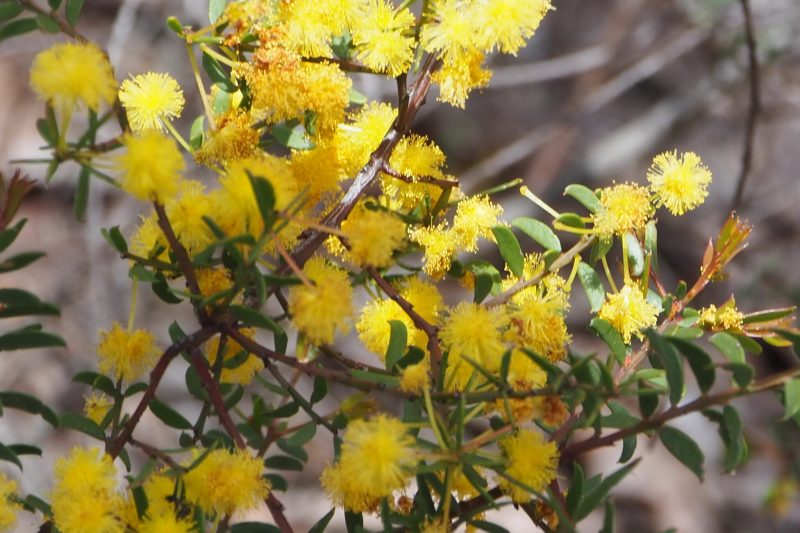
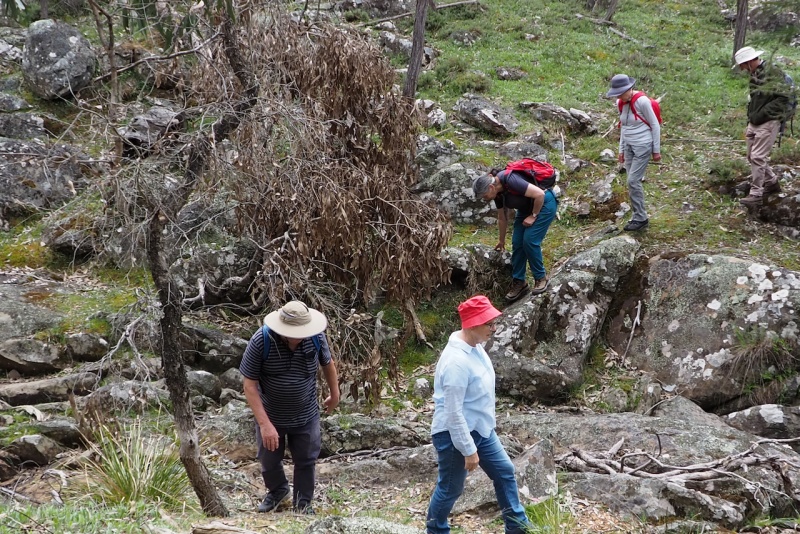
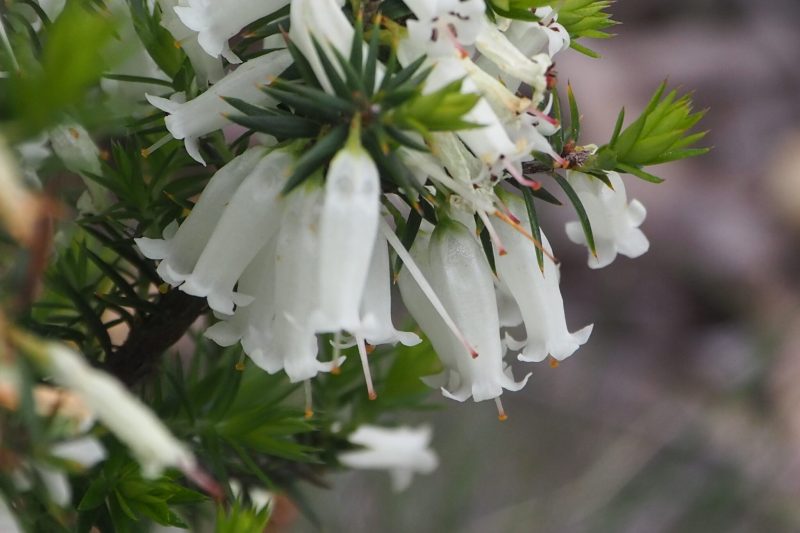
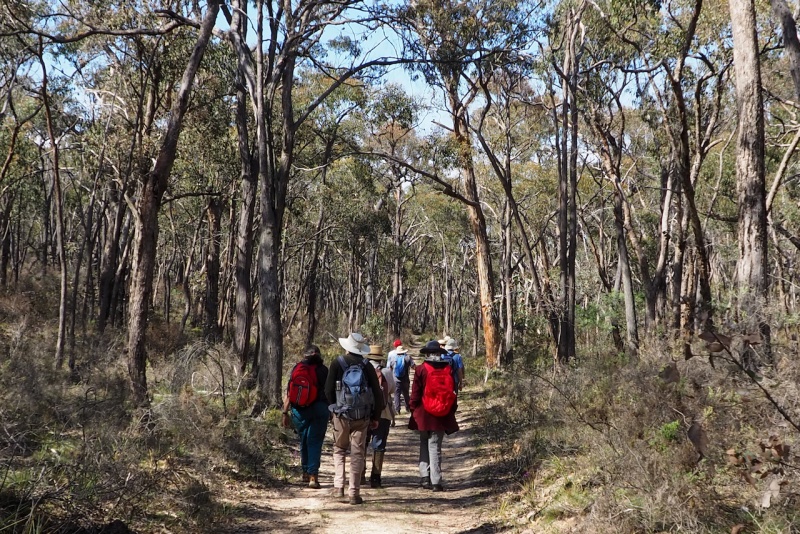
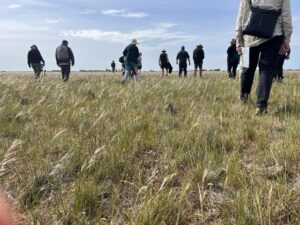 So much is revealed about our local places when we venture out on foot. That is the main purpose of the monthly FOBIF walks. The 2026 calendar of walks is now being organised. Do you know a great walk in the local region? Great can be many things – wonder, curiosity, beauty, fun and enjoyable. Would you be interested in leading or co-lead a walk? Get in touch with Gen Blades, our friendly walks coordinator 0431 371 065.

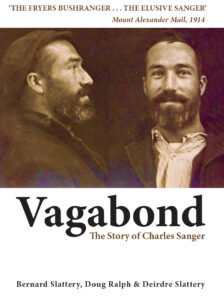
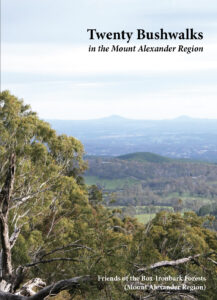
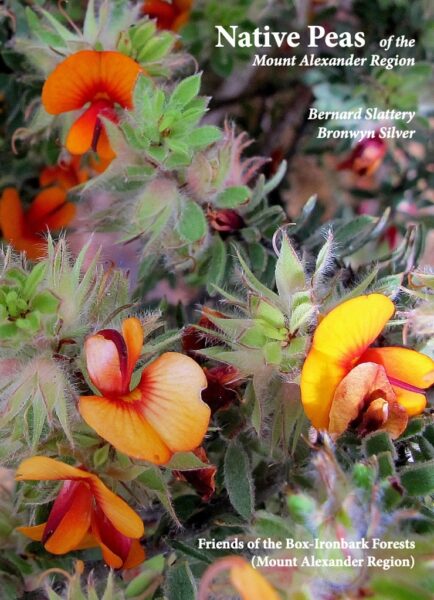
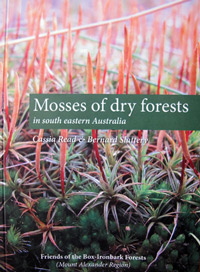 Click on image for info/order page
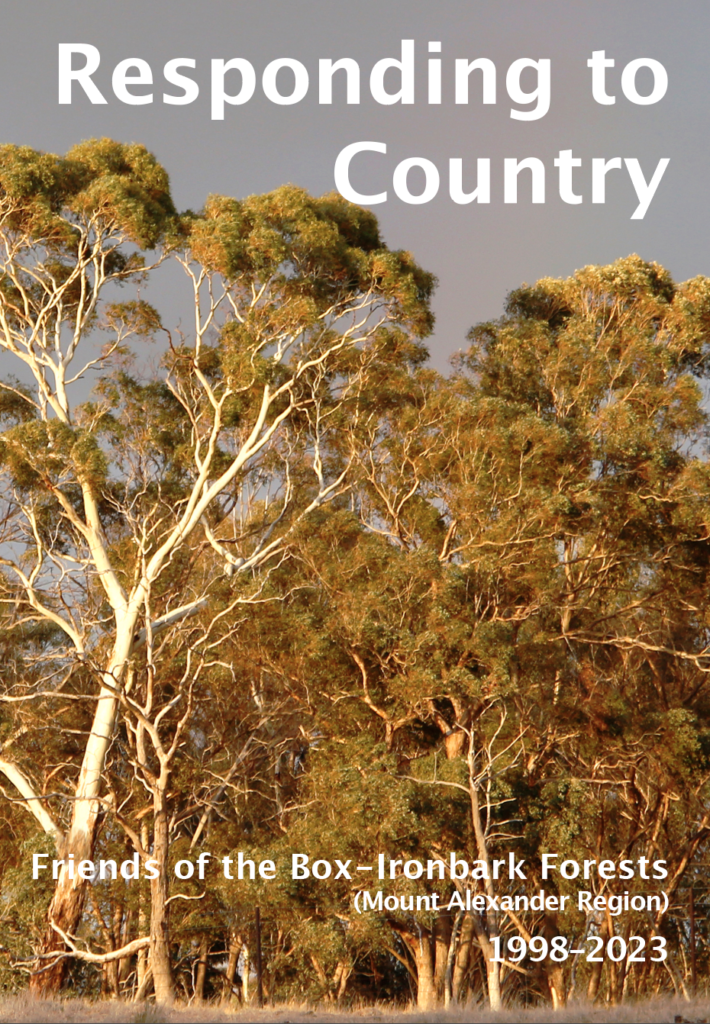
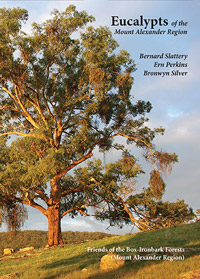 Click on image for info/order page
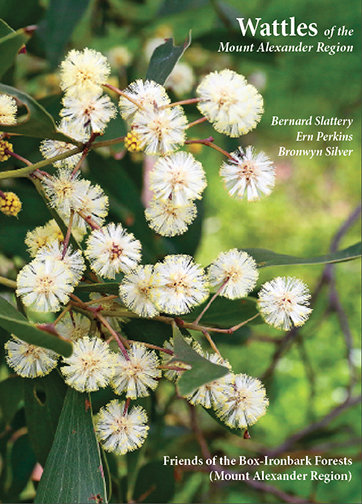 Click on image for info/order page