FOBIF walk (18 June 2023)

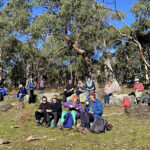
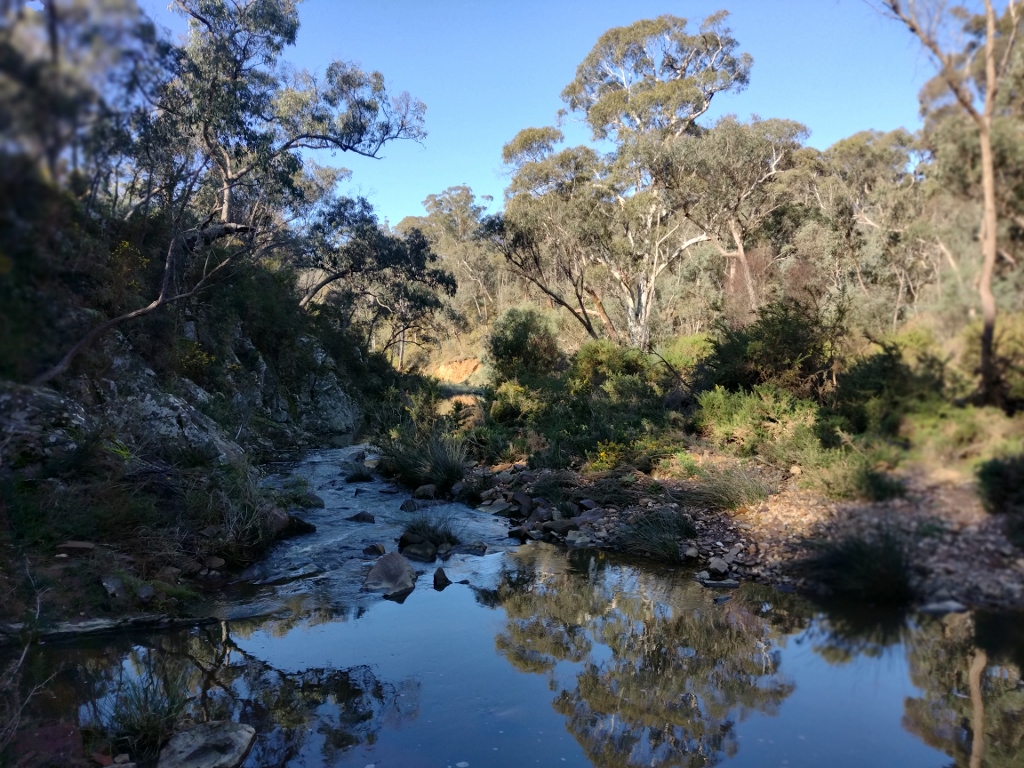
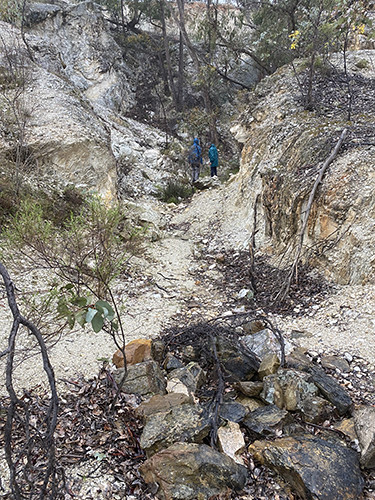
The walk this Sunday will be in the Poverty Gully and Cobblers Gully vicinity, close to Castlemaine. Details are on the Walks page. For further information ring Bernard Slattery (0499 624 160) or Lionel Jenkins and Barb Guerin (5472 1994 or 0402 427 162).

Posted in News, Walks | Comments Off on FOBIF walk (18 June 2023)

Winter reading bonanza! Settle back and give these a go!

Winter’s coming, the days are shorter: maybe it’s easier to concentrate than when you’re lounging around in the sun. Here are FOBIF’s recommendations for some cold weather reading. We didn’t organise it this way, but we’re not surprised to find that the common theme in these items is: we need to know more.

Posted in News | Comments Off on Winter reading bonanza! Settle back and give these a go!

1. Black Summer fires: Guess what? We don’t know enough!

A new book, Biodiversity Impacts and Lessons from 2019-2020, edited by: Libby Rumpff, Sarah Legge, Stephen van Leeuwen, Brendan Wintle, John Woinarski brings together ‘contributions from more than 200 scientists and experts. It provides the most comprehensive assessment yet of how the fires affected biodiversity and Indigenous cultural values, and how nature has recovered.’

You can find an account of the book on the Conversation website, but here’s a list of (unsurprising) conclusions:

1. Natural systems are already stressed

2. We don’t know what, or where, all species are

3. Emergency responders don’t have enough information

4. Biodiversity usually comes last

5. Conservation funding is grossly insufficient

6. First Nations knowledge has been sidelined

These conclusions have something pretty sobering in common: we don’t know enough about natural systems, and don’t make use of what knowledge we have. Should we be surprised by these conclusions? In any case, below are a couple of books that might be a start in improving our knowledge.

Posted in News | Comments Off on 1. Black Summer fires: Guess what? We don’t know enough!

2. Look…harder

 Alison Pouliot’s new book, Underground lovers—encounters with fungi  has been described as ‘taking fungal storytelling to a whole new level’, and that’s pretty right: but the ‘stories’ are not just there to entertain. They are entertaining, of course, but the book is serious: a powerful argument for a better understanding of fungi and the part they play in keeping us all alive.

That last phrase may seem strange, given that humanity’s default position on fungi is as a menace to be eliminated—look at the number of products available encouraging us to wage war on them. Alison Pouliot is savage on this, as she is on the tendency of humanity to see nature as an enemy. Take this: ‘…the Queensland (poisons information) centre’s 2019 report records insecticides as causing almost three times as many calls as the insects themselves. In Victoria in 2018, there were 226 calls for suspected mushroom poisoning, fewer than those for soap, glow necklaces or nappy rash products.’

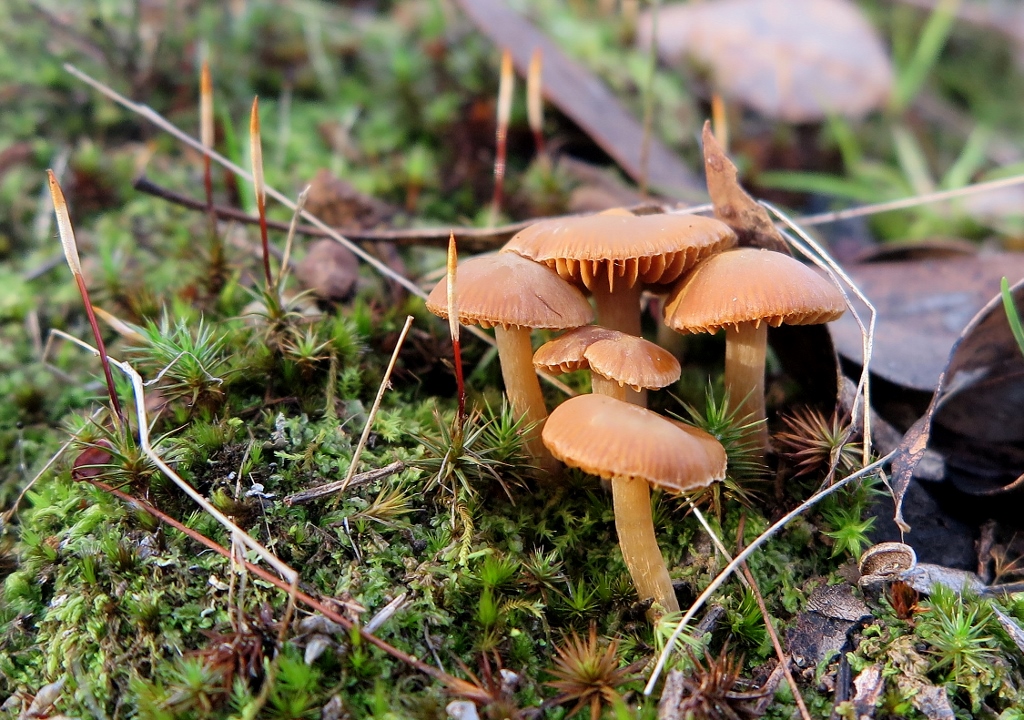
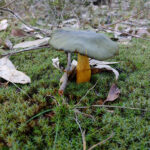
Fruiting body of Lepiota haemorrhagica amongst Breutelia moss, Welsh Village. Pouliot suggests that the lack of common names for fungi is a sign of lack of appreciation…

One approach to this book is to see it as a reflection on language. Alison asks Yorta Yorta elder Aunty Greta Morgan if there is a Yorta Yorta name for the white dyeball. ‘We don’t have a name because our ancestors were forbidden from speaking language…and passing on knowledge about land…’ Loss of words is loss of knowledge, and one of the interesting themes here is on the nature of Indigenous knowledge systems, the ways they differ from and overlap with Western science. She discusses the efforts of mycologist Peter Buchanan to collate and systematise Maori knowledge of fungi, and fill gaps left in lost traditions. ‘Language is one key to unlocking historical knowledge of fungi. Peter and his team, and Sonia and the Yorta Yorta elders, are gradually reviving it, one fungus at a time.’

Indigenous people are not alone in having to deal with language gaps, says Alison: ‘The lack of vernacular terms for fungi in the English language means these organisms lack not only our awareness but our regard.’ It’s hard to argue with this. Lack of knowledge is a major theme here, and it’s closely linked to lack of appreciation.

There’s plenty more in this book, to go on with: you’ll find a few extra reasons to be annoyed by leaf blowers, or disturbed by clearfelling of forests, or worried by those beautiful Fly Agarics, ‘the world’s most photographed fungus’. There are intriguing reflections on the importance of protection of remnant vegetation, and inspiring stories of people who are delving into the mysteries of fungi—of which there are many.

And there’s the story of the three goths in a coffin, in a hearse, drinking champagne. You’ll have to get the book to check that one out.

Posted in News | Comments Off on 2. Look…harder

3. Listen…deeply

One way of plugging the knowledge gap is by…listening more carefully.  Andrew Skeoch’s book Deep Listening to Nature offers some keys on how to go about it.

The striking achievement of this book is that it seduces readers into actively focusing on sound: partly through an engaging writing style, and partly via the fact that it’s accompanied by an easily accessible set of soundscapes. The trick is, you access the Listening Earth website via a simple click with your device; references to birdsong are ‘illustrated’ by a recording of the sound itself. This is not just a perfect book for bird enthusiasts, but a wonderful aid for anyone who wants to hear and understand what’s happening in the natural world. What does a robin’s song mean? What’s the point of that monotonous pigeon ‘ooom’? Is birdsong really music? Is the Butcher Bird a better singer than the Nightingale? Oh, and what about this: ‘Why biodiversity?’

‘Cockatoos are intelligent creatures…’ ‘Their call is a big sound that tears at the air…Toneless and chaotic, they are nevertheless expressive…’

Very big questions are posed here, and some provocative answers provided. The theme throughout, however is that ‘deep listening’ is a form of concentrated attentiveness and openness to nature: ‘If nature can be thought of as a game of sustaining life, then by listening, we can hear its rules of play.’

What’s really great about this book is that although some pretty challenging ideas are put forward, the language is clear, and the tone is accommodating. Andrew is not scared to throw in the occasional unexpected ‘cultural’ reference—for example, to Doctor Who’s brilliant summing up of Time as ‘wibbly wobbly, timey wimey…stuff’;  or to Saint Francis’s legendary duet with a nightingale. (The saint conceded that the bird was the better singer).

An additional benefit for our readers is that Andrew lives in this region: so that while the book ranges all over the globe, there are plenty of local references which readers can quickly set against their own experiences.

The sound track to the book is available separately at https://listeningearth.com/andrewskeoch/soundtrack.html

Check it out…and get the book.

Posted in News | Comments Off on 3. Listen…deeply