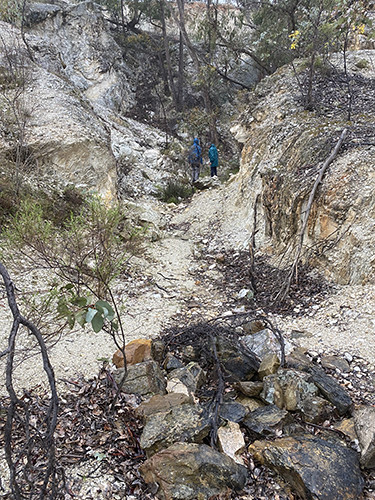
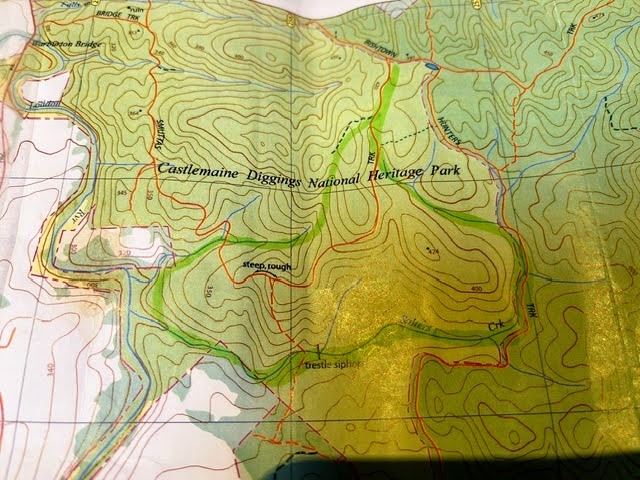
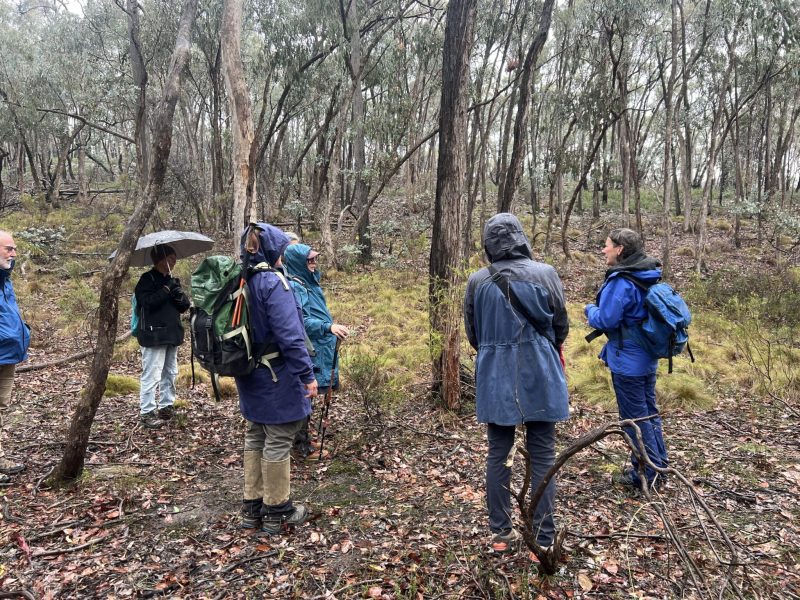
Sunday 17 May, Elaine Bayes lead a great 5.6 km walk along Salters Creek, a small but remarkably intact tributary of the Loddon River, close to Columbine Creek, and ultimately part of the vast Murray–Darling Basin — a catchment covering more than one million square kilometres.
What makes waterways like Salters Creek so important is that much of the Murray–Darling Basin produces very little runoff into waterways. In fact, around 86% of the basin has effectively zero runoff, with most river flows generated in the upper Victorian tributaries. Small creeks such as this play a disproportionately important role in sustaining the broader river system.
In addition, the overhanging trees and vegetation produces a vast amount of food in the form of leaves and twigs (carbon) which kicks off the food web within the Loddon and Murray river much further down stream.
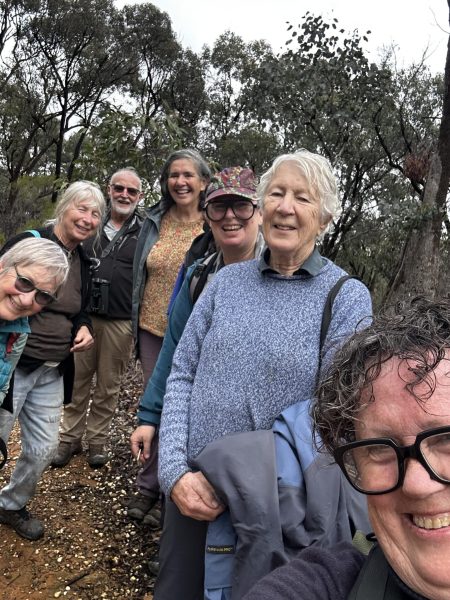
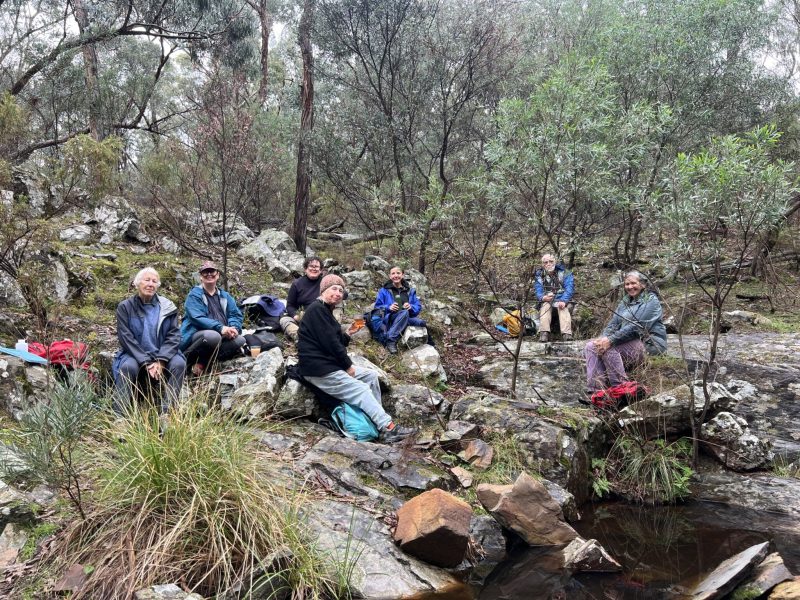
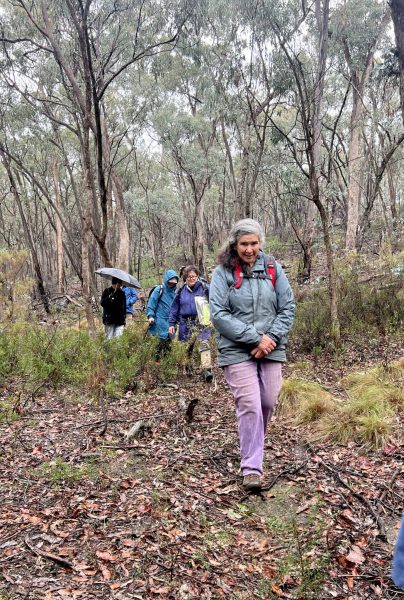
Eight people braved the rainy conditions to take part in the walk — mostly the stalwarts, amazing leaders, and drivers of the Friends of the Box-Ironbark group. Despite the weather, the walk revealed an incredible diversity of life and habitat.
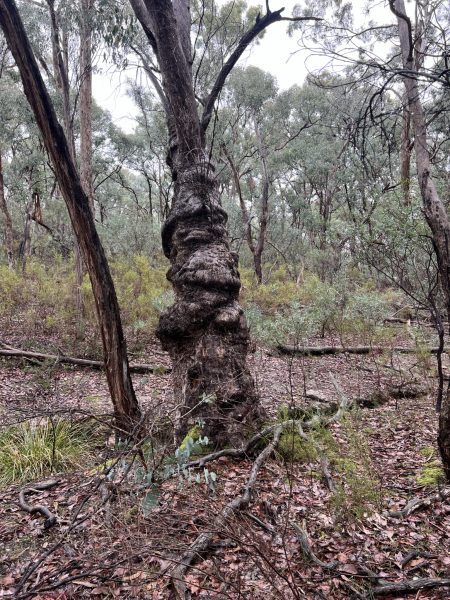
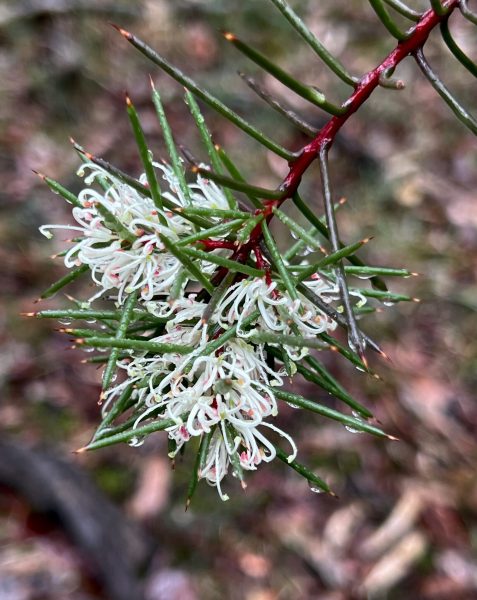
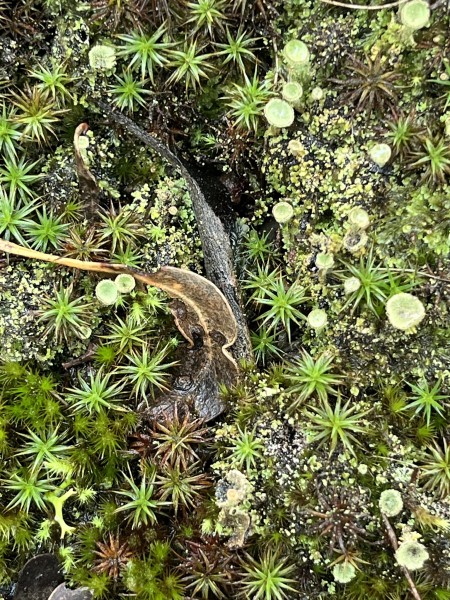
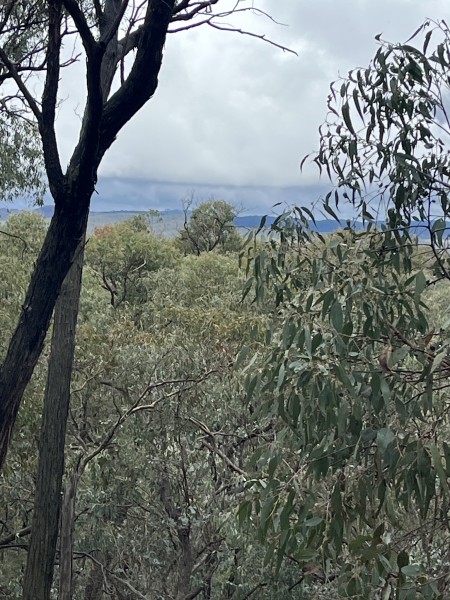
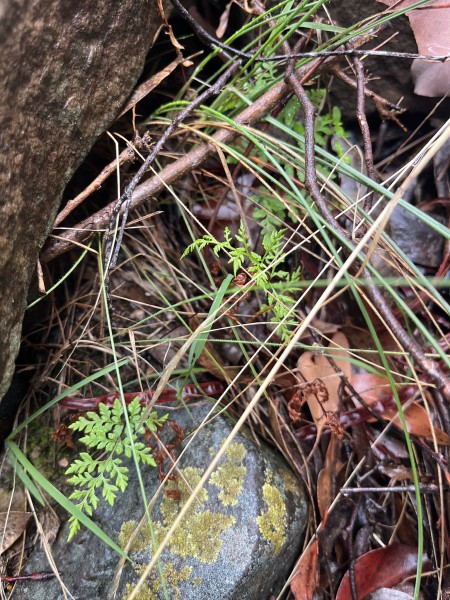
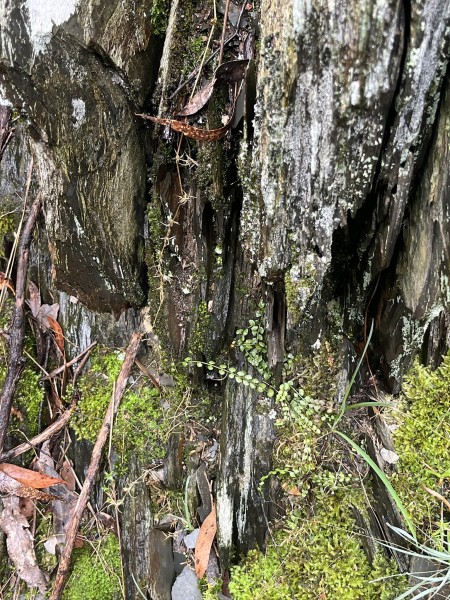
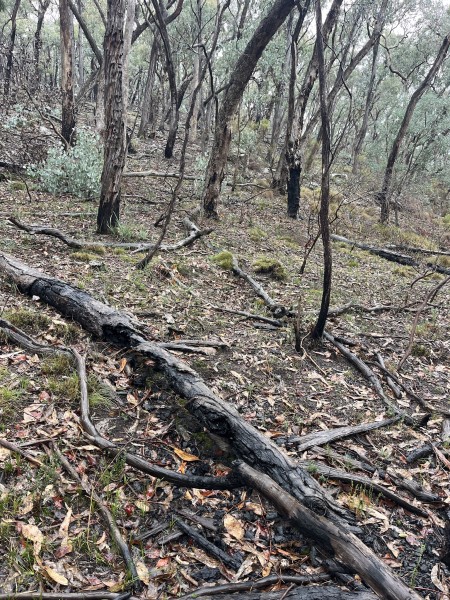
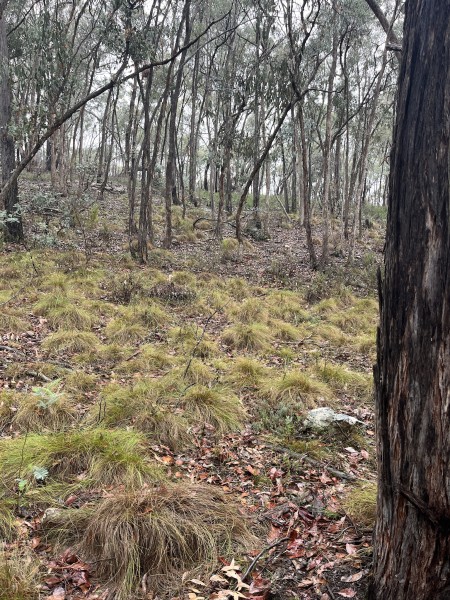
The creekline appears to support Creekline Grassy Woodland vegetation, with some large trees approaching benchmark condition, offering a glimpse of what these landscapes may once have looked like before widespread clearing and alteration. The understory remains surprisingly intact and diverse.
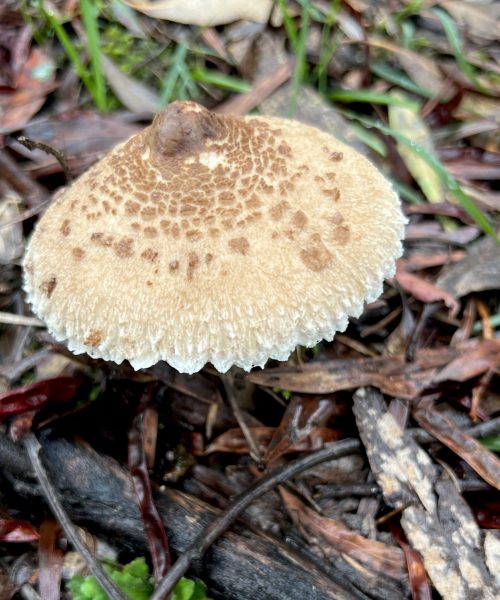
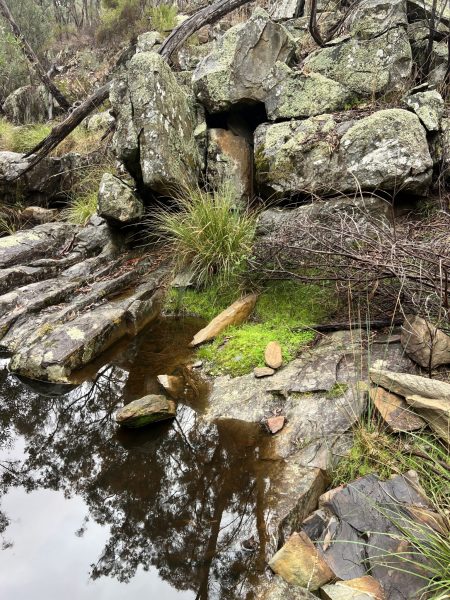
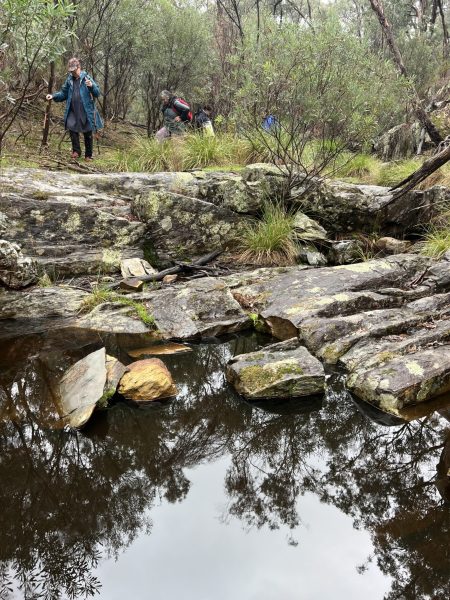
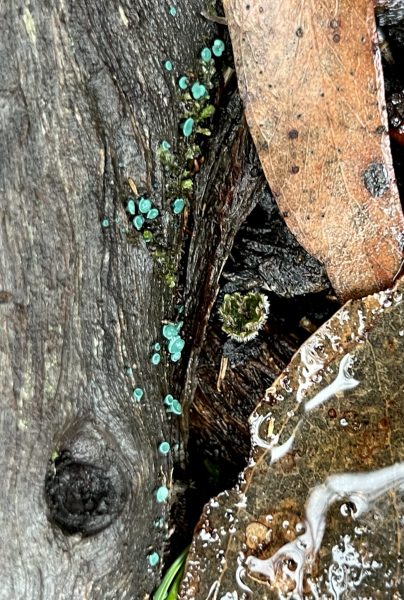
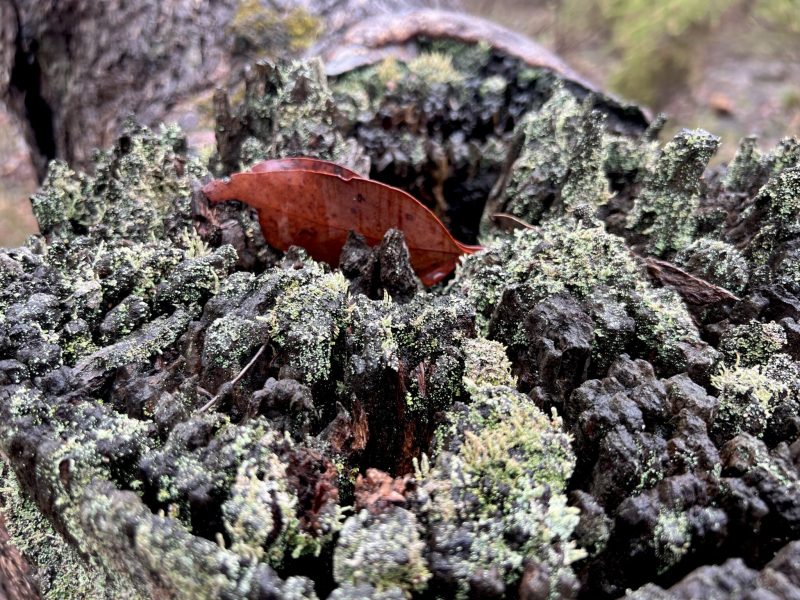
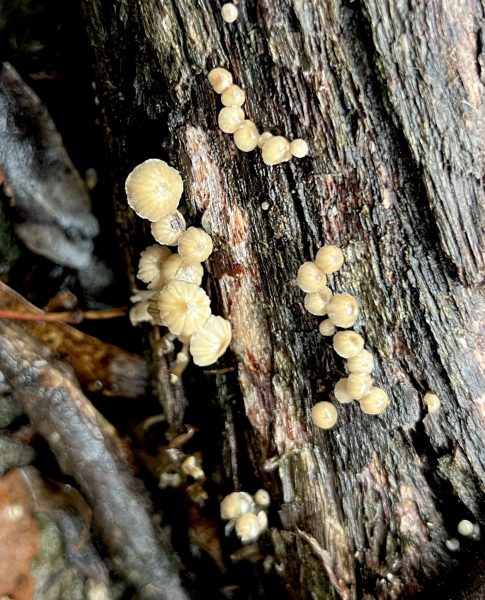
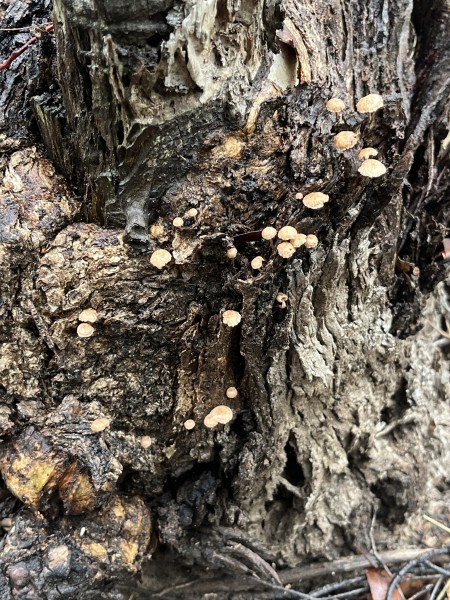
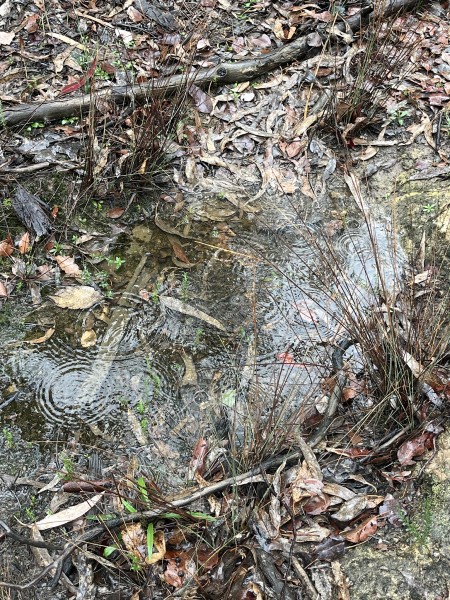
One of the highlights was the series of small pools still holding water despite the dry conditions. These ponds were lined with rushes, reeds, and sedges, providing important refuge habitat for insects, birds, kangaroos and many other species. We also saw many remarkable fungi, while numerous bird species called throughout the walk, adding to the atmosphere of the creek environment.
Bibrons Toadlet, Pseudophrene bibronii were calling for the full length of creek, males calling and currently guarding eggs and waiting for rain events like this to distribute their babies downstream.
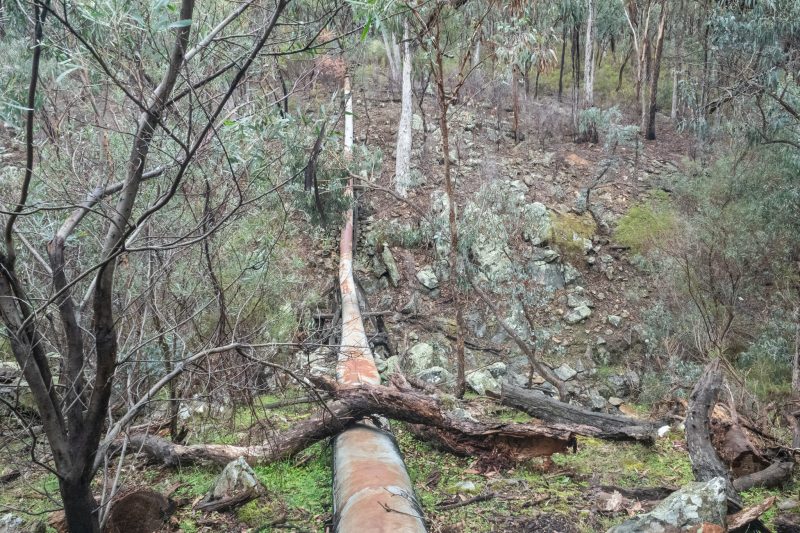
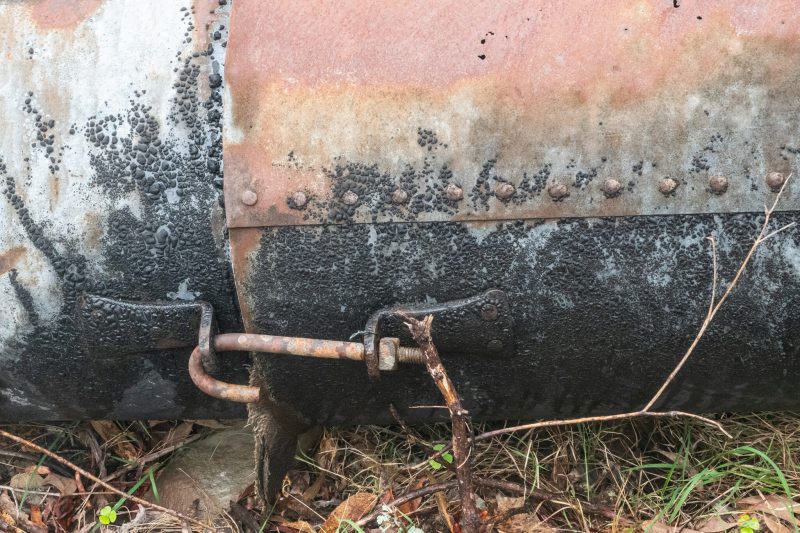
The walk also passed the old wooden trestle siphon, a fascinating historic structure once used to transport water across the gully.
The full walk took around 2 1/2 hours, and I would highly recommend it to anyone interested in local ecology, history, and the resilience of these small but incredibly significant waterways.
Written by Elaine Bayes.
Thanks to Liz Martin and Euan Moore for the photos.







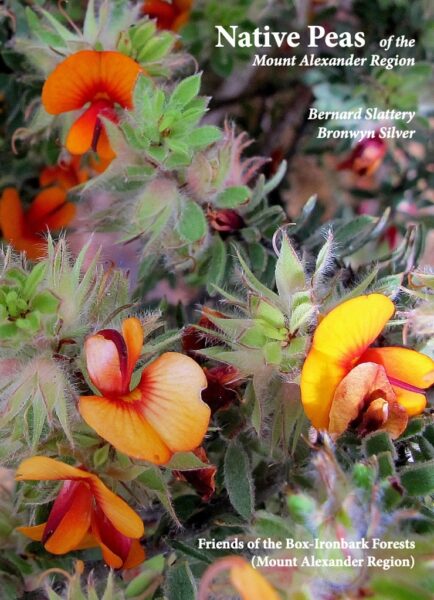
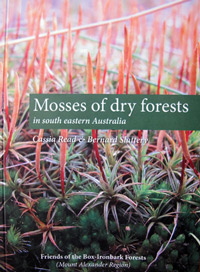 Click on image for info/order page
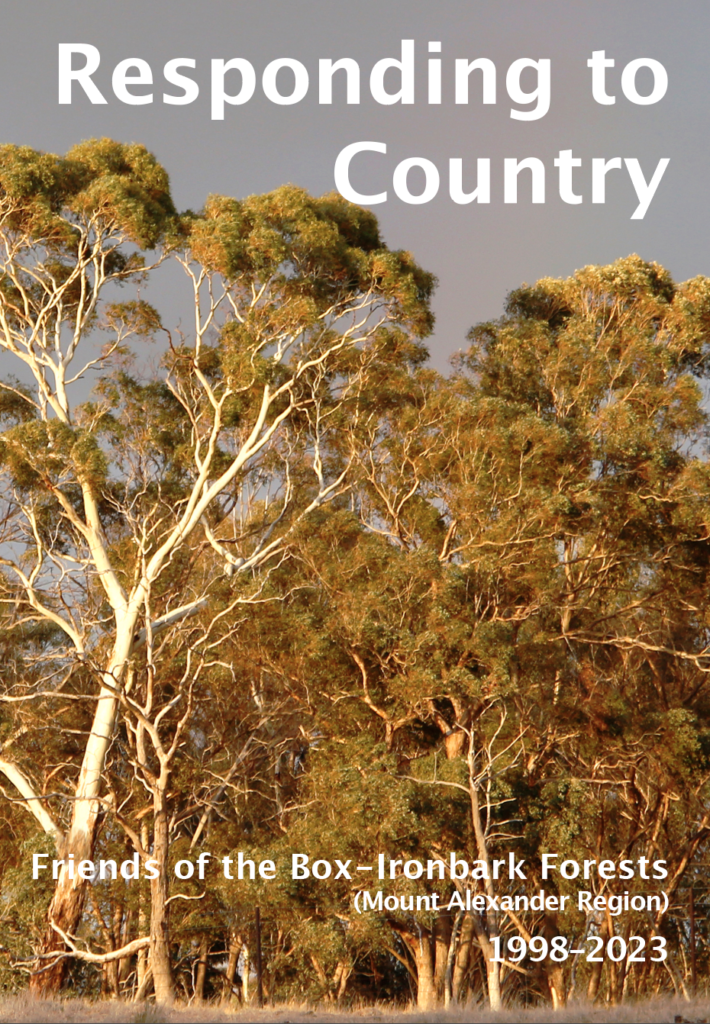
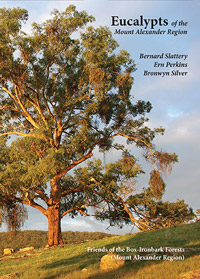 Click on image for info/order page
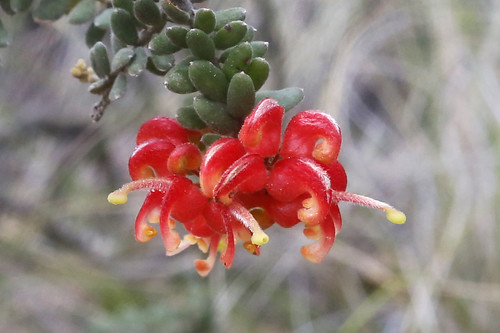
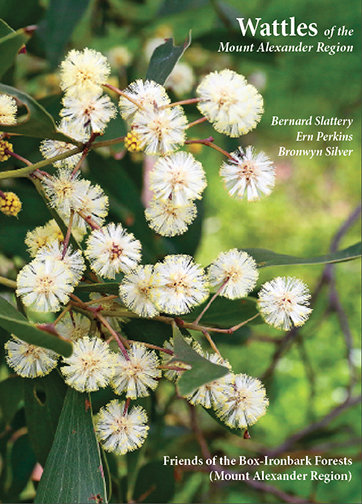 Click on image for info/order page